
AT A GLANCE
Start with what matters to your visit.
- Decide what your two days actually contain
- Arrival: keep the first decisions simple
- Day one morning: a small White Town discovery
Two days in Pondicherry can feel spacious if the family does not try to experience everything. The useful starting point is a shape for each day: one main activity, a meal that happens at a sensible time and a return that does not depend on perfect traffic or weather. This itinerary uses that approach to help you make choices from a White Town base.
The sequence is deliberately flexible. It is an editorial suggestion, not a guided tour, ticket or hotel package. Check the places you choose, confirm transport and adapt the plan to your children’s ages and your arrival and departure. If travelling with grandparents or someone who prefers a slower pace, use the multigenerational planning guide alongside these ideas.
Decide what your two days actually contain
Two calendar dates do not always provide two full days. Write down when you expect to reach the hotel and when you must leave for the next journey. Mark a comfortable settling-in period and a margin before departure. The usable time between those points is what you should plan, rather than the headline length of the booking. A family arriving after a long trip may prefer to begin the next morning instead of trying to catch up on an imagined first afternoon.
Ask each traveller for one priority. A child might choose a walk by the water, another person a museum, while an adult may mainly want an unhurried meal. Choose activities that can work together without repeated travel across town. Explain which plan is confirmed and which remains optional. This reduces disappointment if you decide to stop early. Confirm a suitable room arrangement before shaping the itinerary around facilities or services that have not been agreed.
Arrival: keep the first decisions simple
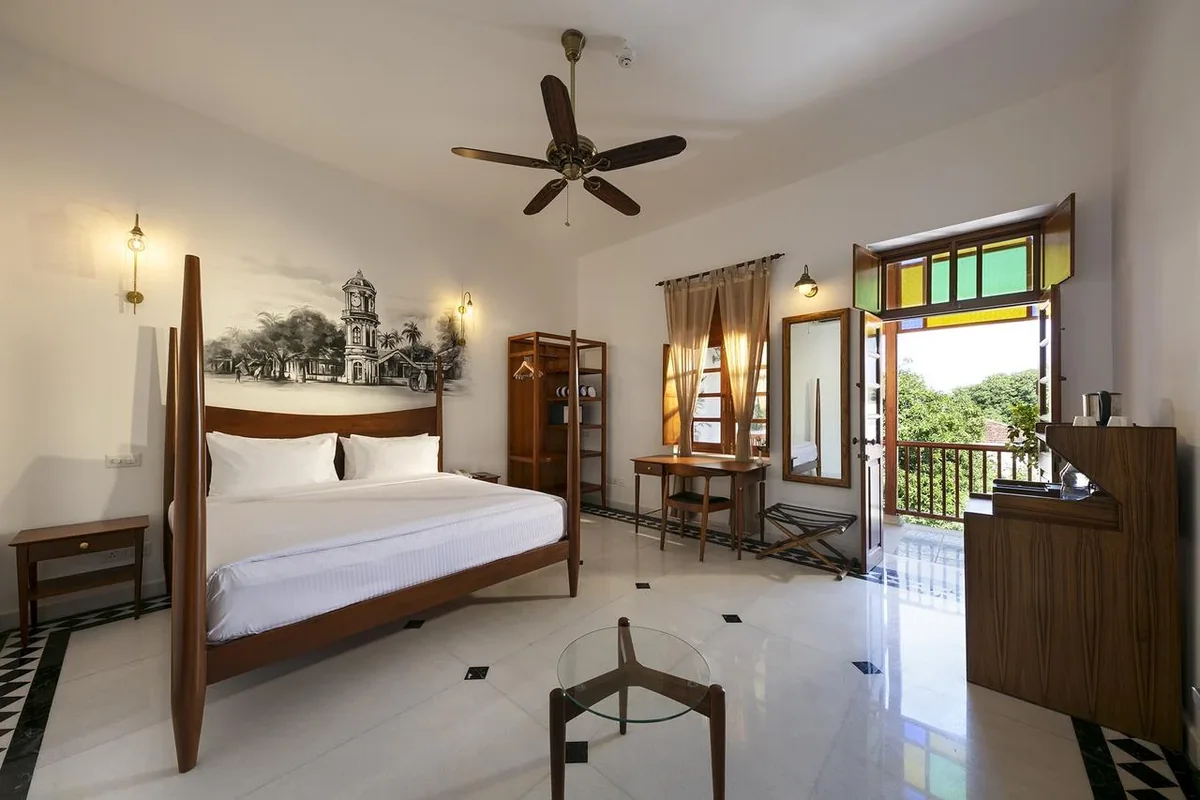
After reaching Grand Hotel D’Europe on Rue Suffren, focus on settling in. Keep essential belongings accessible, check the confirmed room arrangement and find out how the next meal will work. If a room or service request is important, discuss it calmly before the family leaves for an outing. Do not assume an early arrival guarantees immediate room access. The hotel must confirm the arrangement and any applicable conditions for your particular booking.
If everyone is comfortable and the conditions suit, take a short orientation walk close enough for an easy return. Its purpose is to become familiar with the immediate area, not to complete the next day’s sightseeing. Notice a useful meeting point and explain to children how the group will stay together. A quiet dinner and an early pause may be the best use of the evening. If arriving late, confirm the practical arrival and dining details before travelling.
Day one morning: a small White Town discovery
Begin with one manageable walk. Choose a simple question that gives children something to notice: which door is the most colourful, where the shade is deepest or how two neighbouring windows differ. Stop to look only where it is appropriate and comfortable. Keep conversations and photographs respectful of residents. You do not need to enter a building or turn a private doorway into a photo stop to enjoy the street’s character.
Have a return point in mind rather than continuing until everyone is tired. Consider the actual temperature, rain, crossings and walking surfaces as you go. A route that looks short on a map may take longer with pauses and children. If walking is not suitable for someone, change the plan or arrange appropriate transport. Read the hotel’s heritage story beforehand if you would enjoy explaining why a historic address can have many layers, while keeping the outing itself light.
Day one midday: protect the meal and rest break
Build the morning around a realistic meal time. Check where you will eat and whether the restaurant can accommodate the group when you expect to arrive. Tell it about dietary requirements or questions before ordering. A familiar meal and a comfortable seat may do more for the afternoon than squeezing in another attraction. Avoid planning lunch only after completing a long chain of optional stops, because those stops are the part most likely to change.
Return for a quiet interval if that suits your family. Some travellers may want to read, others may need time to organise belongings or simply pause. A break does not require the whole group to do the same thing, provided adults agree supervision and the arrangements are suitable. The MIRA dining page shows the hotel’s real settings; ask the team which is operating and what the current menu offers before relying on a particular space.
Day one later: choose one optional town experience
After the break, make a fresh decision based on how people feel. A museum visit might suit a family who likes looking at objects, while a short waterfront pause may suit someone who wants more outdoor time. Check the venue’s current opening information before leaving, and allow for a return journey. You can also choose to remain close to the hotel. The optional activity earns its place only if it improves the day for the people taking part.
Keep a waterfront experience separate from an assumption about water activities. Follow local restrictions and current warnings, and supervise children around traffic, rocks and waves. Our beach guide explains why a town-side walk and a separate beach excursion need different planning. If the weather is unsuitable, use an indoor alternative that is genuinely open and convenient. Do not replace one cancelled outing with several unconfirmed ones in an attempt to make the afternoon feel full.
Day two morning: pick one outing or stay local
If you have enough time before departure, compare one excursion with a second slow town morning. An introductory Auroville visit and a beach outing create different requirements for transport, visitor access and the return. Select the option that fits your family, not the one that produces the longest list of places visited. Make the return plan before agreeing the outward journey, and leave room for queues, getting in and out of vehicles and an ordinary meal break.
For Auroville, read the Matrimandir planning guide and consult the official service. A Viewing Point visit and an Inner Chamber session have separate arrangements. Check age requirements before promising an experience to a child. If the family cannot comfortably participate together, decide whether a different outing would be better. A day in White Town can still be worthwhile when the alternative involves separating the group or rushing to meet a departure deadline.
Keep a wet-weather version of the itinerary
Prepare the shorter version before you need it. In rain, first check current warnings, the route and whether the chosen indoor venue is open. A museum followed by a nearby meal may be a reasonable replacement for a walk, but only if the journey itself is suitable. During severe conditions, staying at the hotel and adjusting the day can be the most practical decision. Follow official instructions rather than an itinerary’s original order.
The rainy-day guide provides ideas and links to official information. Confirm transport and dining arrangements instead of assuming all services continue unchanged. Keep devices and papers protected and allow more time for transfers if needed. The aim is to preserve a pleasant day, not reproduce the dry-weather schedule indoors. Invite children to choose a smaller activity, a book or a conversation so the replacement feels like a plan rather than a succession of disappointments.
Departure: finish with enough room to leave calmly
On the final morning, confirm when the transport needs you ready, not merely when it is expected outside. Allow time to gather luggage, check the room and complete the hotel’s departure process. Keep essential travel items available without reopening the main bags. If requesting luggage assistance, storage or a later departure arrangement, ask the team and wait for confirmation. These practical services should be agreed rather than inferred from the fact that you have an afternoon journey.
Choose a last activity that can be shortened. A meal, a nearby pause or time selecting a favourite memory may fit better than a distant stop. Ask children what they noticed rather than what the family failed to cover. Keep the next trip comfortable by retaining a margin. If you want help shaping the stay, contact the hotel with your actual arrival, departure, ages and priorities; those details are more useful than asking whether every attraction can fit into two days.
Use decision points instead of extra bookings
Choose two moments when you will review the day together: after the first meal and after the main outing. Ask whether everyone is comfortable, whether the next place is still open and whether the return plan remains straightforward. These questions turn flexibility into something practical. Without a decision point, families can continue an unsuitable sequence simply because it was written down earlier. Reassessing does not mean the original plan was poor; it means the plan is being used thoughtfully.
Keep a small reserve of time that belongs to no attraction. It can absorb a delayed meal, a longer conversation or an ordinary need to return for something. Avoid spending that reserve as soon as the morning goes well. An itinerary with a little unused time is often easier to enjoy than one that is full by design. If the family finishes with energy to spare, choose a small additional experience near the current location rather than starting a long journey that makes the final return uncertain.
USEFUL ANSWERS
Before you make plans.
Is this a fixed tour schedule?
No. It is a suggested way to organise two family days. Choose and confirm the actual places, transport and meals that suit your dates and group.
Should we book both Auroville and a beach excursion?
Only if the time and arrangements genuinely work. For a short stay, one considered excursion may be more enjoyable than two journeys that leave little time for breaks.
What if our first day is mostly travel?
Treat arrival as time to settle in. Build the main outing into the next usable morning and avoid trying to recover a full sightseeing day after a tiring journey.
How should we handle different interests?
Choose one shared priority, keep an optional extra and agree supervision and meeting arrangements before anyone separates from the group. It is also reasonable to choose a plan everyone can enjoy together.
SOURCES & EDITORIAL NOTES
Plan with the right information.
Editorial update: 4 November 2026. Hotel details draw on the published pages below. Follow the linked official visitor sources for current access instructions, and confirm date-specific hotel arrangements directly. Suggested itineraries are planning ideas.
YOUR WHITE TOWN STAY
Make the next step personal.
Share your dates, party size and practical requirements with the hotel team. Ask for the arrangements and total quote that apply to your visit.
Compare rooms ↗Discover MIRA ↗Contact the hotel ↗