

AT A GLANCE
Start with what matters to your visit.
- Ask each generation what a comfortable stay means
- Discuss the room combination, not just the room count
- Describe access requirements in practical language
A trip shared by children, parents and grandparents can be rewarding precisely because people enjoy different things. One person may want an early walk, another a long conversation over a meal and another a short visit followed by rest. Planning well means creating enough shared time without requiring everyone to keep the same pace from morning to night.
This guide offers a practical way to organise a multigenerational stay at Grand Hotel D’Europe. It is not an accessibility certification or a promise of particular assistance. Explain the needs that matter to your group in specific terms, ask the hotel to assess the relevant rooms and routes, and confirm transport and visitor arrangements directly. A useful plan begins with people rather than a generic label such as “family friendly”.
Ask each generation what a comfortable stay means
Begin with individual priorities. Ask about walking tolerance, preferred meal times, the need for quiet breaks and what would make the trip enjoyable. Avoid assuming that age predicts ability or interests. A grandparent may want a longer outing than the children, while another adult may prefer a slow morning. Write down the practical requirements each person chooses to share, and use those requirements to shape the stay without turning them into public personal details.
Identify which activities everyone wants to share and which can remain optional. A daily meal together may be the anchor, with a short walk for some people and a rest for others. Discuss how decisions will be made when plans change. One person coordinating messages can reduce confusion, but that person should not have to guess everyone else’s needs. A short conversation before booking can prevent an itinerary that is comfortable for one generation and exhausting for another.
Discuss the room combination, not just the room count
Tell reservations who will occupy each room, the adult count and every child’s age. King and Twin identify bed arrangements within a single guest room. If separate rooms are needed, ask what allocation can be proposed and what remains subject to availability. Do not infer connecting doors, adjacency or a particular floor from the fact that rooms are on one booking. Explain which location preference matters and why, then ask for a clear response.
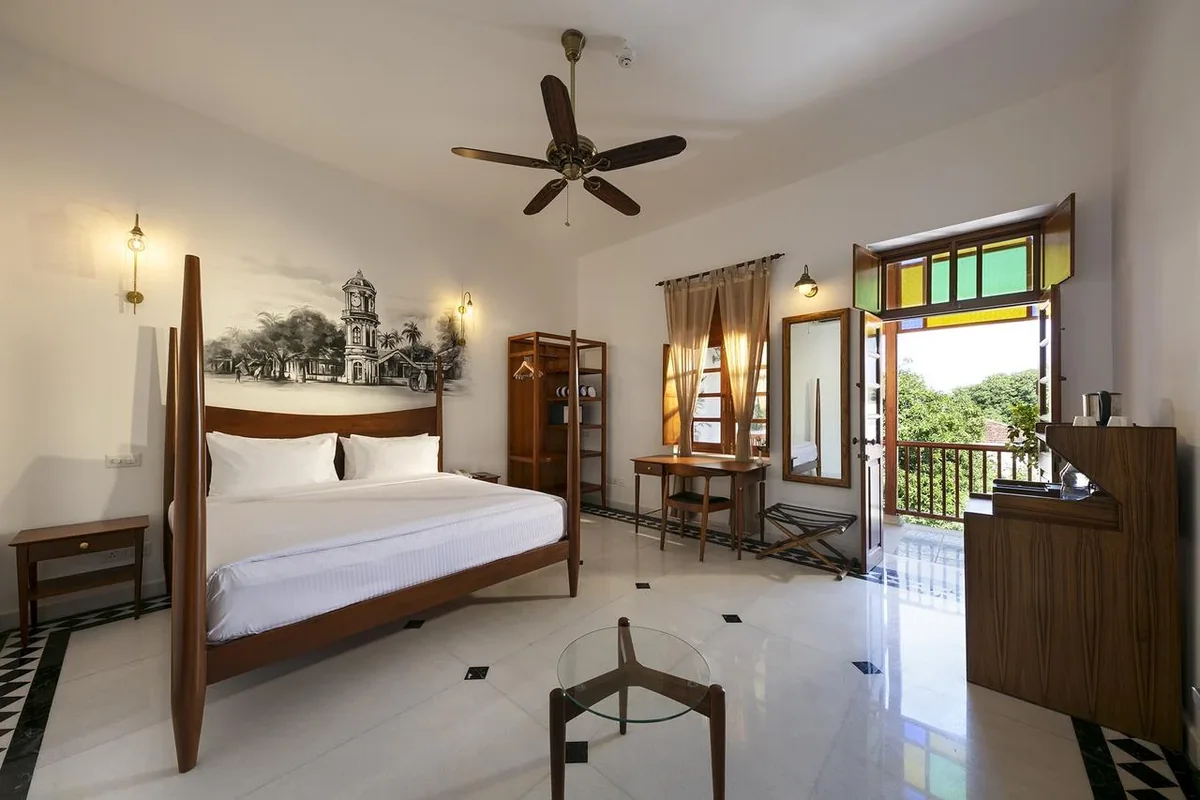
The hotel’s published categories describe 300-square-foot Heritage rooms and 425-square-foot Grand rooms, with occupancy information for each. Use those descriptions as a starting point rather than deciding on size alone. If someone needs space for equipment or help moving around a room, describe the requirement and request relevant layout information. Compare the complete arrangement, including bed placement and the bathroom question that matters, before deciding that a larger category solves every practical need.
Describe access requirements in practical language
Ask about the route a person would actually take: from vehicle drop-off to entrance, from reception to the proposed room, and from the room to dining. The room page lists an elevator or lift, but that fact does not establish step-free access to every area or suitability for every mobility aid. Ask the hotel to identify steps, surfaces or other limitations on the particular route. Current photographs or a video explanation may make the answer easier to understand.
For bathrooms, explain the features a person depends on and request specific information rather than a broad assurance. If dimensions, seating, support or assistance are important, state the actual requirement. Do not assume that a heritage property’s category name tells you whether an individual room is suitable. Keep the conversation focused on the guest’s choices and comfort. If the hotel cannot confirm an essential feature, recognise that uncertainty before booking instead of hoping the room will work on arrival.
Make transfers comfortable for the whole party
Give the vehicle provider the passenger count, luggage needs and any relevant boarding requirements. Ask about the vehicle proposed and whether it suits the people travelling, including any equipment or child restraint you need. A quotation for a vehicle does not automatically include every arrangement. Agree the pickup point, waiting time and what happens if a journey is delayed. Make sure the adult coordinating the transfer has the same confirmed details as the provider.
Allow time for people to board at their own pace. Plan luggage so the items needed during travel remain reachable, and avoid giving one person more bags than they can comfortably manage. If the trip includes several rooms or vehicles, decide how the group will communicate on arrival. Ask the hotel about practical drop-off and luggage arrangements, while confirming vehicle suitability with the transport provider. Distinguishing those responsibilities makes it easier to obtain useful answers.
Create outings with a shared beginning and an easy return
Choose an outing that can be shortened without making the rest of the group’s day difficult. A town walk with several natural stopping points may suit a mixed group better than a distant excursion with one fixed return. Consider the actual route, shade, seating opportunities and surfaces rather than a distance alone. Ask each person what they are comfortable doing and be willing to change the plan before someone feels obliged to continue.
If interests differ, agree where and when the group will reunite and which adults are responsible for children. Separate plans work only when the transport, communication and supervision are clear. Do not leave someone waiting at an unconfirmed place while others extend an outing. The gentle two-day itinerary can help you organise one shared highlight and an optional extra. It is equally reasonable to choose a smaller activity that lets everyone stay together comfortably.
Treat rest and weather as part of the itinerary
Leave a genuine quiet interval, especially after arrival or a longer outing. A rest break is not spare time that must immediately be filled with another activity. Some people may prefer a room, others a meal or a short conversation, subject to what is confirmed and available. Discuss the shape of the afternoon without assuming everyone will want to leave again. A shared holiday can include separate quiet moments without losing its sense of togetherness.
Check current conditions before outdoor plans and keep an indoor or local alternative ready. The rainy-day guide offers ideas, but each venue needs its own opening and access check. In unsuitable conditions, changing the day may be better than adding several transfers. Agree how the group will decide when someone prefers to return. This is a comfort and planning conversation, not a reason for one traveller to feel that they have prevented everyone else from enjoying the trip.
Send one coordinated enquiry and keep the answers
Include dates, room combinations, every child’s age, expected arrival and the specific requirements the hotel needs to assess. Ask which room and dining arrangements are confirmed, which requests remain subject to availability and what the total quote includes. If access features are essential, keep those questions explicit and separate from general preferences. Ask for the relevant answer in writing so every adult helping with the booking understands the proposal in the same way.
Before confirming, compare deposit, amendment and cancellation terms for the whole arrangement. Discuss what happens if the group size changes rather than assuming each room can be altered independently. On departure, confirm the transfer, luggage and timing so nobody has to hurry through the final morning. Use the room and packing planner to organise practical details. The aim is a stay in which different needs are recognised early and shared time remains relaxed, personal and enjoyable.
USEFUL ANSWERS
Before you make plans.
Does a lift mean every hotel area is step-free?
No. A facility listing does not confirm the route to every room or dining space. Ask the hotel about the specific areas and features the guest needs to use.
Can rooms on one booking be guaranteed next to one another?
Ask reservations what allocation can be confirmed and which preferences remain subject to availability. Do not assume adjacent rooms, connecting doors or a particular floor.
Should everyone follow the same itinerary?
Not necessarily. One shared highlight or meal can anchor the day, with optional activities when transport, supervision and meeting arrangements are clear.
What information is most useful in an enquiry?
Explain the room combinations, ages, arrival and concrete requirements: relevant routes, bed arrangements, dining needs or equipment space. Specific questions are more useful than a general request for an accessible or family-friendly stay.
SOURCES & EDITORIAL NOTES
Plan with the right information.
Editorial update: 4 November 2026. Hotel details draw on the published pages below. Follow the linked official visitor sources for current access instructions, and confirm date-specific hotel arrangements directly. Suggested itineraries are planning ideas.
YOUR WHITE TOWN STAY
Make the next step personal.
Share your dates, party size and practical requirements with the hotel team. Ask for the arrangements and total quote that apply to your visit.
Compare rooms ↗Discover MIRA ↗Contact the hotel ↗