

AT A GLANCE
Start with what matters to your visit.
- Reset the plan before leaving
- Choose a museum that interests you
- Make an indoor pause part of the day
Reset the plan before leaving
Start by checking the current forecast, road conditions and which places are open. Choose a small number of indoor stops with a straightforward journey between them. Rain does not have to waste a day, but it should change how you organise it.
During a severe warning or heavy downpour, remaining at the hotel may be the better option. Do not cross flooded roads or continue a coastal outing because it appears in an itinerary. Follow official instructions and ask about current local conditions.
Choose a museum that interests you
Puducherry Museum’s official page lists archaeology, bronzes, French India material and other collections. It publishes Tuesday–Sunday opening, 10:00 am–5:00 pm, with Monday as the weekly holiday. Check special closures before travelling.
The Department of Art and Culture also lists Bharathiyar and Bharathidasan museums. Confirm each museum’s hours separately. One attentive visit with time to read may be more rewarding than trying to cover several collections between downpours.
Make an indoor pause part of the day
A meal, book or conversation can be the plan rather than a gap to fill. Ask MIRA which indoor dining setting is available. Courtyard or rooftop arrangements may change in rain, so confirm before choosing a table.
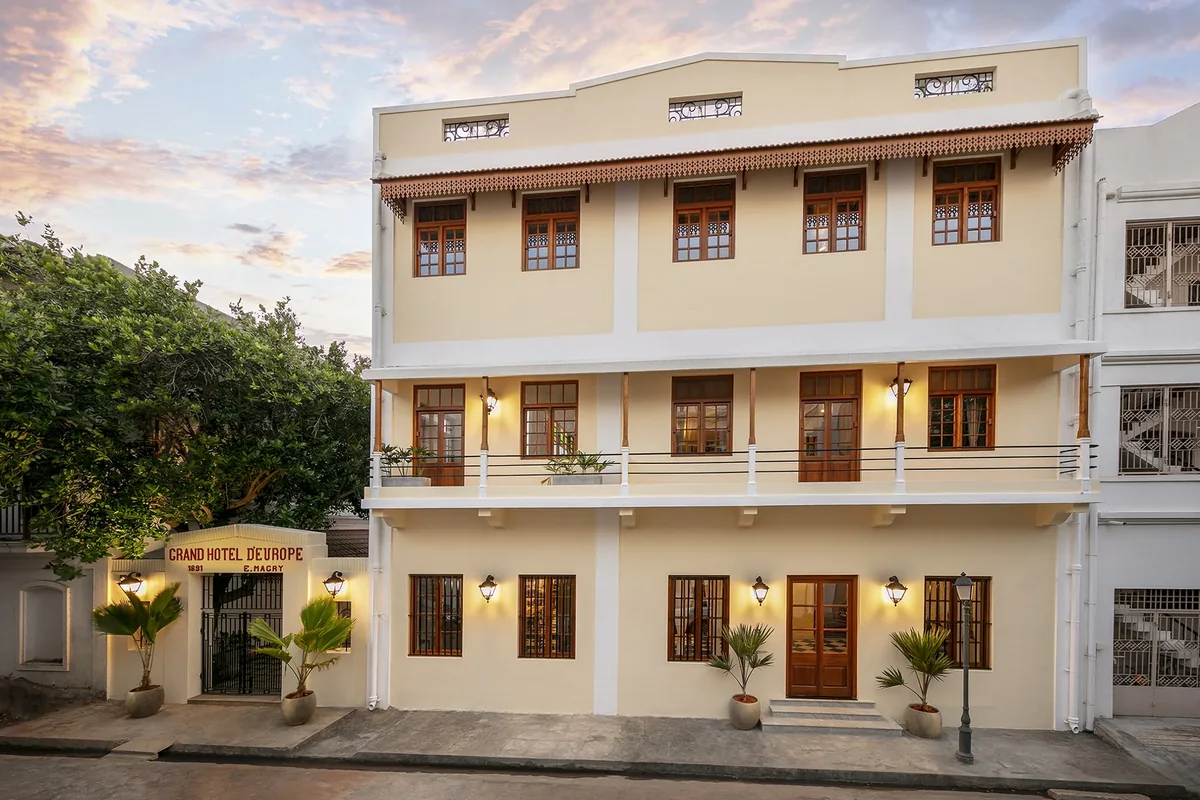
If remaining at the hotel, read its history and notice the architectural details around you. The cover image is an imagined reading scene; it does not promise a particular lounge, room or included amenity.
Use a flexible sequence
Morning: check the forecast and one venue’s opening details. Travel only if the route is suitable. Late morning: take an indoor break and reassess. Afternoon: return for a meal or rest, with a short walk kept optional if conditions improve.
Check official messages before an Auroville departure: the Matrimandir service says rain can cause cancellation. Ask the Chunnambar operator whether boats are running instead of relying on an advertised timetable. Keep a separate alternative for any weather-dependent booking.
Keep the journey simple
Agree sheltered pickup points where possible, confirm waiting charges and leave extra time for transfers. Use suitable footwear, protect papers and devices, and avoid a route that depends on a long exposed walk if it would be uncomfortable.
On departure day, review the transfer plan with the hotel. Spare time and suitable booking conditions are more useful than a last-minute excursion that cannot be shortened. Read the seasonal guide for the wider planning picture.
Decide whether to travel at all
The first decision is whether the day suits an outing, not which attraction will replace the original one. Look at current official warnings, the route and the needs of the people travelling. A light shower and a severe-weather warning are different situations. If travel is discouraged or local conditions are unsuitable, choose a comfortable plan where you are.
Ask the hotel about the practical arrangements it can confirm, but keep official instructions central to decisions about roads and the coast. Do not ask a driver to find a way through a closed or flooded route. Staying in can be an intentional part of the break rather than a failed version of a sightseeing day. A book, a meal and a little time with the hotel’s story can give it shape.
Choose indoor places by interest and opening day
A museum is most useful as an alternative when you want to see its collection, not simply because it has a roof. Decide whether history, art or a literary subject interests your party. Check the particular venue’s opening information and any closure notice. A general museum listing does not establish that every collection follows the same hours or admission arrangements.
Keep the visit modest enough to enjoy. Choose a few objects or themes to look for, allow time to read and leave a pause afterwards. For children, agree a short focus rather than expecting them to absorb every display. For anyone who needs seating or assistance, ask the venue about those details before travelling. An indoor plan still has access and comfort questions.
Arrange the wet parts between indoor stops
Even an indoor itinerary has exposed moments: reaching the vehicle, getting from a drop-off point to an entrance and waiting for a return ride. Agree those points with the provider. Carry only what you can protect and manage comfortably, and avoid a route that depends on several long uncovered walks between places.
Confirm waiting charges and how you will contact the driver if your finishing time changes. If several travellers are sharing a vehicle, keep one agreed message thread or contact person for the journey. A simple route with two good pauses can work better than a complicated chain of indoor venues that leaves everyone moving in and out of the rain all day.
Turn a meal into the centre of the afternoon
A rainy afternoon can be a good time for an unhurried meal if the restaurant confirms the setting you need. Ask MIRA which spaces are operating and explain any dietary or access requirement. Do not assume that an open-air photograph means the same arrangement will be suitable in the weather, or that a table is reserved because you have discussed it.
Choose the meal time around the people travelling and the rest of the day. If a museum visit is optional, avoid making lunch depend on finishing it at one exact minute. For a group, confirm the menu approach and cost before arrival. The MIRA guide helps you compare the published settings while leaving actual availability to the restaurant.
Keep children involved in the change of plan
Explain the new plan in clear, small steps: one place to visit, one meal and time to rest. Children may be disappointed when a beach outing changes, but a predictable alternative can be easier to enjoy than hours of waiting for a decision. Let them choose between two manageable options when that is practical.
Pack a few familiar essentials for the journey and allow a comfortable return. Check the room and meal arrangements you need rather than assuming a special children’s service. A quieter afternoon can also include drawing, reading or looking at photographs together. The aim is an enjoyable family day, not an equivalent number of attractions to replace the cancelled outing.
Review the terms of separate bookings
A weather-related change can affect several independent arrangements. Read the conditions for an excursion, a vehicle and any prepaid meal separately. Ask the responsible provider what happens if it cannot run the service, and keep the answer with the original confirmation. A general forecast does not itself describe your cancellation or refund rights under a particular booking.
Contact the provider promptly if you need to discuss a change, giving the booking reference and the practical issue. Avoid making assumptions based on another traveller’s experience. If the plan remains uncertain, do not add more commitments to the same day. A clear understanding of what is confirmed and what can change helps you choose an alternative without creating a second set of avoidable complications.
Use the hotel’s heritage as a quieter thread
A day with fewer excursions can leave time to explore the story of the address where you are staying. Read the hotel history and its source notes, then notice how the present-day spaces are used. Enjoying atmosphere and understanding evidence are complementary: a decorative detail can be interesting without proving an exact historical claim.
If a particular subject catches your attention, keep a question for the hotel team rather than assuming every staff member is a specialist guide. The dedicated account of the Mother’s visit offers another historical thread. Neither reading requires you to rush outside when the weather is unsuitable. It can also make a later walk through White Town more thoughtful when conditions improve.
Finish with a realistic next-day plan
Before the evening ends, check what tomorrow’s essential journey requires. If you are leaving, confirm pickup, luggage and billing arrangements. If staying, choose one priority and an alternative rather than trying to recover every missed activity in a single day. A trip remains enjoyable when the plan responds to actual conditions instead of competing with them.
Dry and organise belongings so the next outing starts easily, and keep confirmations accessible. Review official messages again close to a weather-dependent departure. Our seasonal guide explains how broader patterns can inform booking decisions, but the final choice should always reflect current conditions and the practical needs of the people travelling.
Keep a small plan for a day spent indoors
If conditions make travelling unattractive, give the day a simple rhythm where you are. Choose a time to eat, something to read and a comfortable pause between them. Ask the hotel which services are operating rather than assuming every outdoor or shared area remains suitable. A room category’s photograph or a conceptual illustration does not establish the availability of a separate reading lounge.
For a group, agree whether people want to spend the whole afternoon together or would prefer independent quiet time. Families can prepare a few familiar activities before travel so that staying in does not require an improvised shopping trip during bad weather. Keep expectations small and practical. The aim is a comfortable day that suits the actual setting, not a replacement programme as busy as the original sightseeing itinerary.
Use a short improving-weather window carefully
If conditions improve, you do not have to restart the full original excursion. A short nearby walk may be enough, provided the route is suitable and current instructions permit it. Keep the return straightforward and avoid making several new bookings on the strength of a brief change in the sky. The weather at one window is not evidence about a distant beach or road.
Check the practical destination again before leaving, especially if it has a closing time or service cutoff. Let the outing remain optional if the party would rather rest. Treat a pleasant interval as an opportunity rather than a deadline to make up lost sightseeing. That keeps a flexible stay enjoyable and avoids turning a quiet afternoon into a rushed sequence of uncertain journeys.
USEFUL ANSWERS
Before you make plans.
Is Puducherry Museum open on Monday?
Its official page lists Monday as the weekly holiday. Check special closures too.
Can rain cancel a Matrimandir session?
Yes. Check official messages and booking conditions before departing.
Is rooftop dining always available in rain?
Do not assume so. Confirm the operating dining spaces directly with the hotel.
SOURCES & EDITORIAL NOTES
Plan with the right information.
Editorial update: 4 November 2026. Hotel details draw on the published pages below. Follow the linked official visitor sources for current access instructions, and confirm date-specific hotel arrangements directly. Suggested itineraries are planning ideas.
YOUR WHITE TOWN STAY
Make the next step personal.
Share your dates, party size and practical requirements with the hotel team. Ask for the arrangements and total quote that apply to your visit.
Compare rooms ↗Discover MIRA ↗Contact the hotel ↗