AT A GLANCE
Start with what matters to your visit.
- Begin with the connection the hotel attributes to a source
- Use institutional background for the wider life story
- Read the hotel-stay passage in its surrounding chapter
A remembered guest can make an address feel more personal, but the most rewarding historical story is one you can follow back to its sources. Grand Hotel D’Europe’s account of the Mother’s 1914 stay connects a published biography with a recognisable Rue Suffren address. The hotel’s illustrated chapter also explains where its images are modern interpretations and where the evidence comes from a written record.
This guide offers a way to read that material without turning uncertainty into detail. It separates a biography, institutional background, hotel-supplied archival objects and present-day photographs, then suggests how the story can enrich a visit. You can value the connection without needing an invented room number, recreated conversation or claim that a modern drawing shows exactly what someone saw more than a century ago.
Begin with the connection the hotel attributes to a source
The hotel’s published account places Mirra Alfassa, known as the Mother, at Hôtel d’Europe on Rue Suffren during her first Pondicherry visit in 1914. It attributes the hotel-stay reference to Georges van Vrekhem’s published biography. The street and hotel name make the connection specific enough to explore, while the attribution tells a reader where the statement comes from. Start with that limited claim rather than immediately expanding it into a complete picture of her time at the property.
Open the hotel’s Mother’s stay chapter and read the source section as well as the illustrated leaves. A historical introduction should make the route to its evidence visible. Notice the difference between a sentence describing what a biography records and a sentence interpreting what a connection means for the hotel today. Both can belong in a thoughtful presentation, but they do different work. Recognising that difference lets you enjoy the narrative without mistaking every evocative line for a documented event.
Use institutional background for the wider life story
The Sri Aurobindo Ashram’s institutional introduction to the Mother supplies broader biographical context. It is a different source from the hotel-stay reference and should be read for the subject it addresses. Background about a person’s life, interests and arrival helps a reader understand why a visit matters; it does not automatically establish every detail of the accommodation associated with that journey. Keep the question you are asking in mind when moving between the two sources.
If you are new to the subject, begin with a short introduction rather than trying to absorb an entire biography during a hotel break. Write down the details that interest you and the source in which you found them. This habit is useful beyond this particular story: it prevents a memorable fact read in one place from acquiring an invented connection to something else. Follow the institutional introduction for its own context and the hotel’s research links for the address-specific account.
Read the hotel-stay passage in its surrounding chapter
A short reference is easier to understand when you read the surrounding passage. Notice how the biographer introduces the place, what is explicitly stated and what is left unstated. An address in a narrative may establish a location without identifying a room, listing a stay’s exact dates or describing the appearance of an interior. Resist the temptation to treat an absence of detail as permission to supply one that sounds plausible.
The hotel’s chapter links to a digital reproduction of the relevant work, Georges van Vrekhem’s Overman. Readers wishing to explore further can follow that reference, note the edition or reproduction they use and distinguish the author’s account from later hotel interpretation. If you discuss the story with others, a simple attribution is often enough: explain which published account supports the connection, and avoid suggesting that you have independently verified material you have not examined.
For a personal research note, record the book title, author, chapter or page marker available in the version you read, and the exact question the passage answers. You might be establishing the hotel name, the street or the context of a journey. Do not combine separate statements into a more detailed event unless the text actually supports that connection. This is particularly useful with digital reproductions, where page navigation and formatting can differ from a printed edition. A clear reference lets you find the passage again and helps another interested guest follow the same trail.
Separate modern visual interpretation from archival evidence
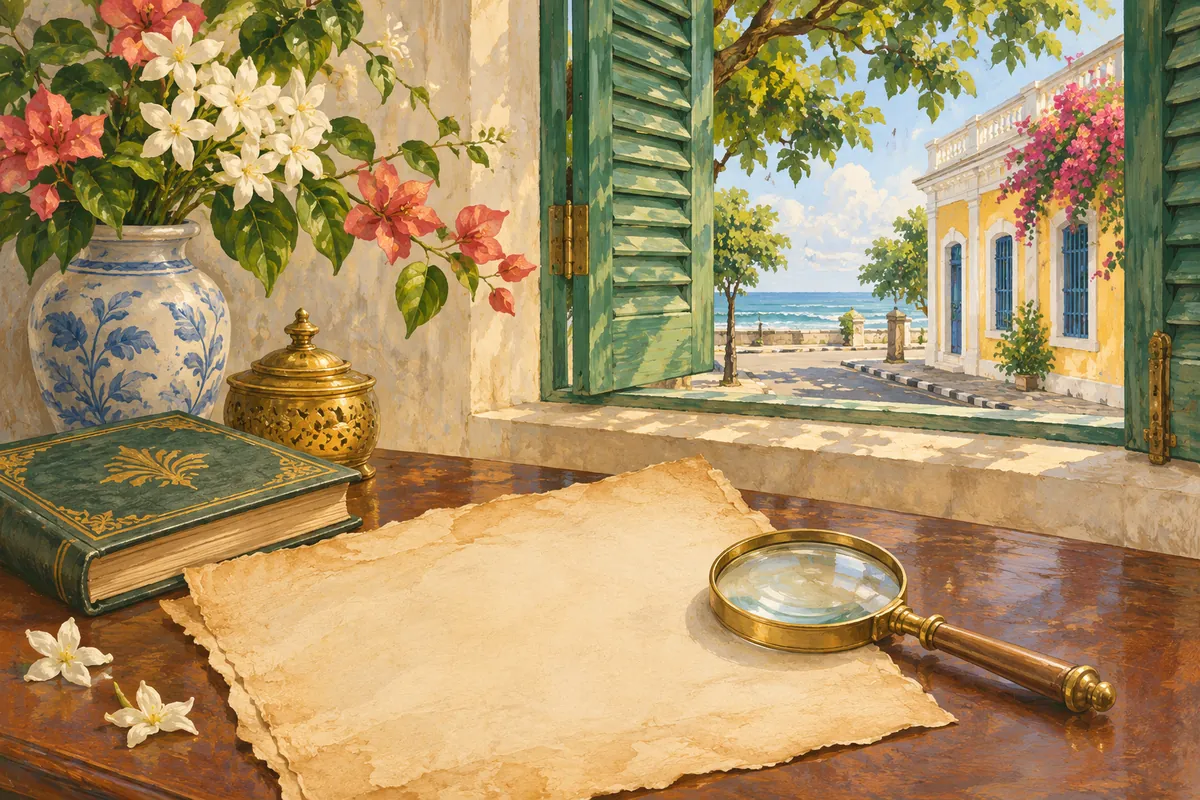
The illustrated hotel chapter identifies its sketches as modern artistic interpretations. Some are based on present-day photographs; an evocative shoreline drawing conveys an atmosphere rather than a documented arrival scene. These images can make a story approachable, but they do not demonstrate the appearance of a building, a room or a landing place in 1914. Read the captions as part of the image, not as small print to skip on the way to the next page.
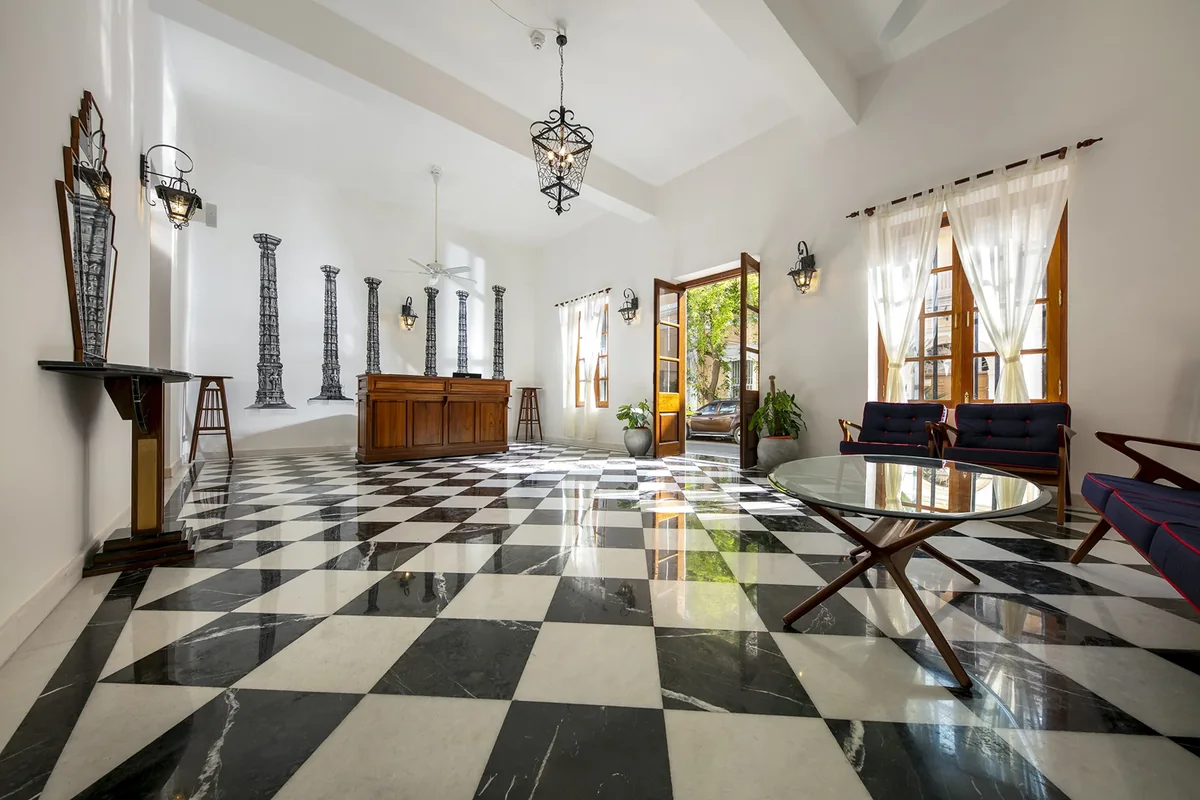
This distinction matters when images are shared away from their original context. A modern sketch copied without its caption may look like an old drawing, and an edited photograph may acquire authority simply through repetition. If you save or share an authorised image, retain the description that identifies its nature and source. For your own visit, use present-day hotel photography to understand the spaces you can actually expect to see, while leaving historic appearance to evidence that specifically addresses that question.
Read the hotel archive as its own collection
The hotel’s wider History page presents stationery, handwritten documents and photographs supplied by the property. It is tempting to connect every old-looking item with a famous guest, but that connection needs its own evidence. A letterhead can speak to the hotel’s identity; a group photograph can preserve a gathering; neither necessarily documents the Mother’s stay. Explore each object for what it can show, without requiring it to illustrate the same story.
The archive presentation also makes clear that individual photograph dates and identities are not independently verified. Treat that boundary constructively. You can notice the arrangement of furniture, the shape of a document or the atmosphere of a gathering while leaving names and dates unresolved. If you have a particular research interest, ask whether the hotel can provide more information about the object. A precise question about one item is more useful than assuming an entire collection supports a single historical claim.
Use Rue Suffren to connect reading with place
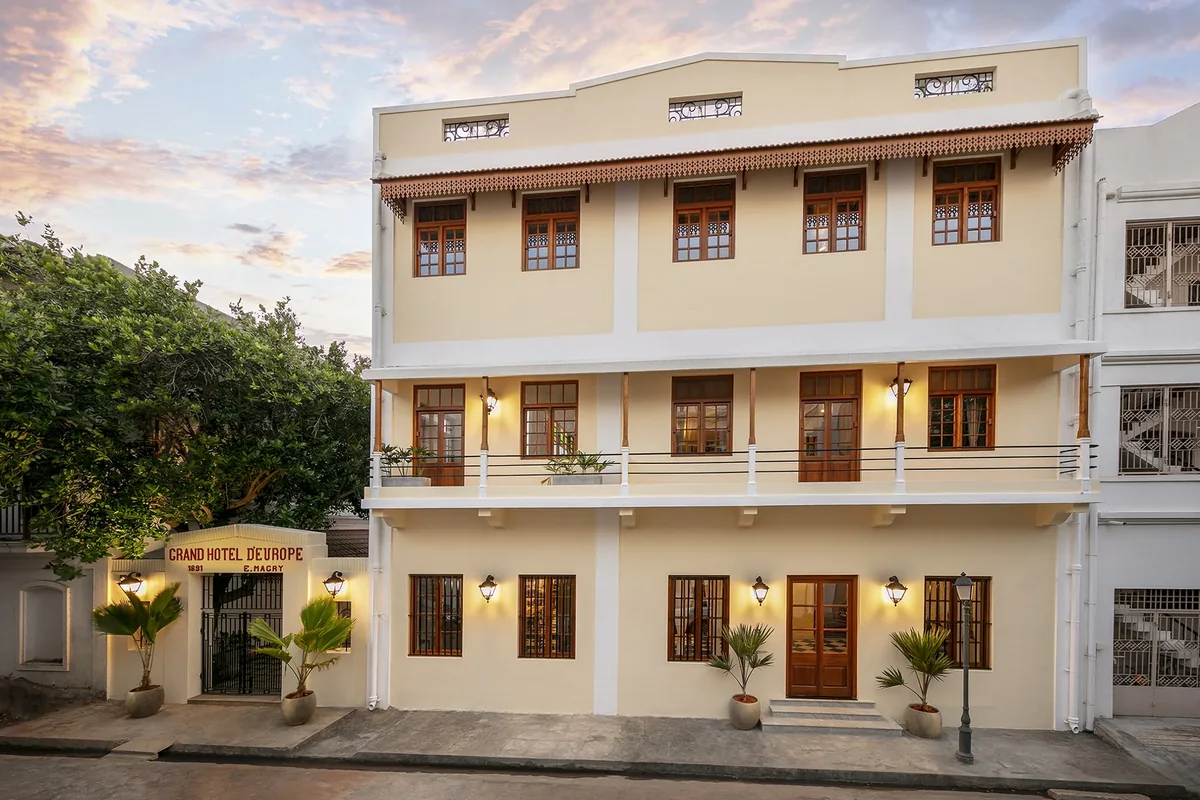
An address offers a practical bridge between a written account and a visit. Grand Hotel D’Europe is at 28, Rue Suffren in White Town, and its continuing street identity is part of the hotel’s presentation of this connection. Stand in the present-day setting and notice the street name, entrance and relationship between the hotel and the public street. Those are observations you can make directly, without needing to recreate someone else’s movements.
Do not let the recognisable address erase changes over time. The current hotel has its own rooms, facilities and patterns of use. A place can maintain a meaningful identity while adapting its interiors and hospitality. Our architecture observation guide suggests ways to notice today’s streetscape without assigning unsupported ages to details. The exercise is to see the present more carefully, then return to the written record with a clearer understanding of the questions it can and cannot answer.
USEFUL ANSWERS
Before you make plans.
Which source supports the hotel-stay account?
The hotel attributes the reference to Hôtel d’Europe on Rue Suffren to Georges van Vrekhem’s published biography. Its historical chapter links to that work and provides separate institutional background.
Are the illustrations archival views of 1914?
No. The hotel identifies them as modern artistic interpretations, including sketches based on present-day photographs. They do not establish the historic appearance of a room or building.
Is a specific room associated with the Mother identified here?
No. This guide does not assign a room number, routine or length of stay that is not established in the hotel’s cited account.
Does the historical connection provide Ashram visitor privileges?
No privileges or institutional affiliation are claimed. Follow official Ashram visitor information for access, activities and any pass requirements.
SOURCES & EDITORIAL NOTES
Plan with the right information.
Editorial update: 4 November 2026. Hotel details draw on the published pages below. Follow the linked official visitor sources for current access instructions, and confirm date-specific hotel arrangements directly. Suggested itineraries are planning ideas.
YOUR WHITE TOWN STAY
Make the next step personal.
Share your dates, party size and practical requirements with the hotel team. Ask for the arrangements and total quote that apply to your visit.
Compare rooms ↗Discover MIRA ↗Contact the hotel ↗