AT A GLANCE
Start with what matters to your visit.
- Decide what kind of gathering you are organising
- Work with a useful guest count
- Match the setting to the whole party
Bringing people together for a meal often involves more coordination than choosing where to eat. Different arrival times, appetites, children, dietary requirements and payment expectations can all affect the experience. A little planning lets the restaurant understand the occasion and helps guests arrive knowing what has been arranged.
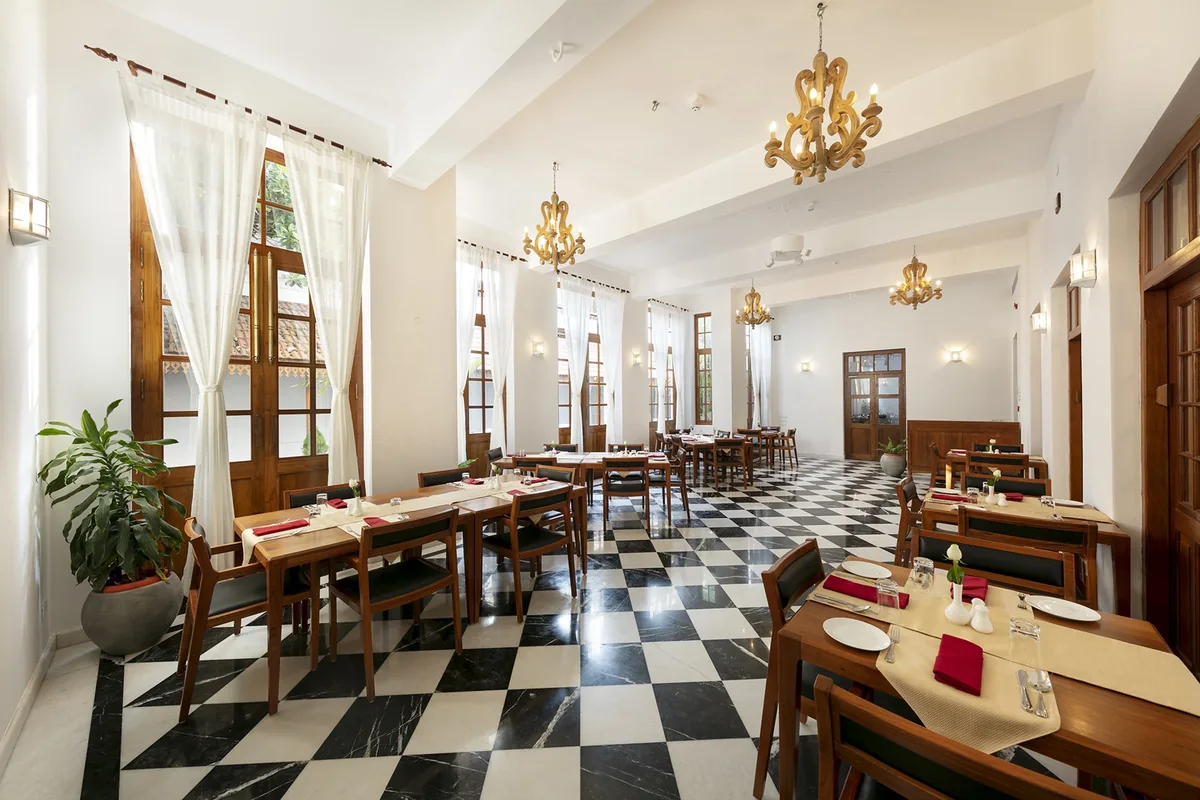
MIRA at Grand Hotel D’Europe has published Restaurant, Courtyard, Bar and Rooftop descriptions. A group enquiry should ask which current setting and service can suit the actual party, rather than infer a capacity or package from those names. This guide walks through the practical decisions for a family or group meal; a larger celebration may need a separate event proposal from the hotel.
Decide what kind of gathering you are organising
Begin with the purpose of the meal. A family meeting during a holiday may value flexibility and conversation; colleagues may need a defined finish; friends gathering for an anniversary may want a specific moment recognised. State the purpose clearly in the first enquiry. It gives the team context for suggesting an arrangement without asking it to guess what a group booking means to you.
Separate the essential elements from optional ideas. Essentials could include the date, a workable meal time and enough comfortable seating for the confirmed party. Optional details might be a preferred setting or an additional decorative request. Knowing which is which makes it easier to consider an alternative if the first idea is unavailable. It also helps the organiser avoid promising guests an experience before the hotel has assessed it.
Work with a useful guest count
Give the restaurant the number of expected adults and children, and say whether that count is firm or still developing. If some people are tentative, explain when you expect to know. Ask the hotel when it needs a final number and what happens if that number changes. A vague range can start a conversation, but the actual seating and service plan needs clearer information before the occasion.
For children, share only the practical details relevant to the meal, such as age-related seating or portion questions, without assuming a particular child facility is provided. For guests with access needs, describe the route or seating issue that matters so the team can assess the proposed setting. Do not treat a general description of the hotel as confirmation that every dining area suits every member of the party.
Match the setting to the whole party
Look at the original photographs on the MIRA dining page and use them to explain your preference. Ask which space can currently accommodate the proposed meal, what layout would be suitable and how the group would be seated. Restaurant, Courtyard, Bar and Rooftop are published settings, but their names do not establish a numerical group capacity or promise exclusive use.
An open-air preference should include a practical discussion about weather and alternatives. Ask when a decision would be made if conditions change and how the group would be informed. If a quieter environment matters, describe why rather than requesting a guarantee about the surroundings. The right setting is the one the team confirms can work for the date and the people attending, not simply the one that looks most impressive in a photograph.
Give dietary requirements their own clear space
Collect the relevant requirements from guests early and pass them accurately to the restaurant. Ask affected guests to check the wording, especially when one person is handling the whole booking. Preferences about spice or portion size should be distinguished from an ingredient or preparation requirement. This makes it easier to see whether the reply addresses the essential question or only an ordinary preference.
Ask how the restaurant wants to receive and confirm the information. Keep the answer connected to the actual menu and date, and do not assume that a confirmed group table also confirms every individual dietary arrangement. The dietary planning guide provides a more detailed communication process. It does not replace direct discussion with the restaurant or provide a medical assessment of the proposed meal.
Create a realistic arrival and finishing plan
When guests are arriving from several places, agree one clear meeting time and location. Tell the hotel whether everyone is expected together or whether arrivals may be staggered. Ask how that affects the proposed service. An organiser should not assume a restaurant can keep every element of a meal unchanged while the party arrives over a long period without discussing that possibility first.
If the group has a fixed departure, tell the team in advance and ask whether the meal fits it. Build a margin for settling in, making choices and arranging payment. For a more leisurely gathering, keep the rest of the day flexible enough for conversation. Guests travelling onwards should know the departure plan before the meal, rather than discovering that their timetable differs from the arrangement made for everyone else.
Understand the price and payment arrangement
Request a clear explanation of the agreed menu or ordering basis, beverages, taxes and any other applicable charges. Ask whether children’s portions, additional orders or a changed guest count affect the total. The useful comparison is the complete arrangement you are considering, not an initial figure taken out of context. If a quote depends on assumptions, make sure those assumptions are visible to the organiser.
Agree how the group intends to pay and ask what the hotel can accommodate. A single organiser settling the bill and several guests expecting separate payments are different arrangements. Resolve the expectation before the occasion instead of leaving the last part of the meal to a discussion nobody anticipated. If a company or other billing format is needed, communicate that requirement directly and confirm it separately from the seating plan.
Discuss extra occasion details individually
A cake, flowers, speech, photography or another special element should be treated as its own request. Ask which items the hotel can arrange or permit, what the terms are and whether an additional cost applies. Do not assume that bringing a group automatically includes a celebration package or access to outside suppliers. An attractive concept image should inspire the conversation rather than become an unspoken specification.
If the occasion needs private use, a particular layout or more extensive coordination, ask whether it should move to an event enquiry. The hotel’s celebration page introduces that route. A regular table request and a private event have different questions to resolve, including space, service and cancellation terms. Establish the appropriate route before inviting guests on the basis of arrangements that have not yet been confirmed.
Give guests enough information without overwhelming them
A family group may include people who have not met each other, guests unfamiliar with White Town and someone joining after a separate journey. Share the correct hotel address and agreed meeting point, not just a restaurant name. Tell guests whether to contact the organiser or the hotel if delayed. This avoids several people sending conflicting updates while the restaurant is trying to understand when the party will be ready.
If guests are choosing individually, explain that expectation before they arrive. If a menu has been agreed, share the relevant outline and make sure anyone with a requirement has seen the response concerning their meal. Payment expectations should also be clear without becoming the focus of the invitation. The organiser does not need to circulate private dietary or billing details to the whole party; send information only to the people who need it.
Keep the invitation proportionate to the occasion. A simple meal may require only a short message with the date, time, address and contact. A celebration with several moving parts may need a more detailed note. In both cases, consistency matters more than length: the information guests receive should match the arrangement the hotel has actually confirmed.
Bring the agreement together before the day
Summarise the date, party count, setting, meal format, dietary discussions, timings and payment approach in one message. Ask the team to identify confirmed points and anything still outstanding. Keep the agreed contact details available to whoever will lead the party on arrival. If the original organiser will not attend, introduce the person taking over so important information is not trapped in a conversation they cannot access.
Share a simple version with guests: where and when to meet, what meal arrangement to expect and whom to contact if delayed. They do not need every planning message, but they should understand the essentials. Update the hotel promptly if numbers or requirements change. Once the practical agreement is clear, the organiser can spend less time managing the occasion and more time enjoying the people around the table.
USEFUL ANSWERS
Before you make plans.
Is there a published group capacity for each MIRA space?
This guide does not provide verified numerical capacities. Give the hotel the actual party size and ask it to confirm a suitable setting and layout for the proposed meal.
Does a group table include private use?
No such inclusion should be assumed. Ask whether private use is available and request the applicable proposal and conditions. A regular reservation does not itself establish exclusive access.
Should we choose every dish before enquiring?
No. Begin with the date, party size and meal purpose, then ask which menu or ordering approach the restaurant can support. Dietary requirements should still be raised early and accurately.
How do we handle a changing guest count?
Tell the hotel which numbers are tentative, ask when a final count is needed and confirm any effect on the arrangement or cost. Update the team rather than assuming late changes have no practical impact.
SOURCES & EDITORIAL NOTES
Plan with the right information.
Editorial update: 4 November 2026. Hotel details draw on the published pages below. Follow the linked official visitor sources for current access instructions, and confirm date-specific hotel arrangements directly. Suggested itineraries are planning ideas.
YOUR WHITE TOWN STAY
Make the next step personal.
Share your dates, party size and practical requirements with the hotel team. Ask for the arrangements and total quote that apply to your visit.
Compare rooms ↗Discover MIRA ↗Contact the hotel ↗