
AT A GLANCE
Start with what matters to your visit.
- Describe the requirement in concrete terms
- Raise important questions before confirming the meal
- Move from menu labels to the proposed dish
A clear dietary enquiry begins before anyone chooses a dish. You may be organising a meal for yourself, helping a family member communicate, or bringing together a group with several different needs. The goal is to give the restaurant enough information to answer the actual request, then understand the limits of that answer.
MIRA’s current menu and preparation arrangements need to be discussed directly with the hotel. This article offers a communication method, not a medical assessment or a guarantee about any dish, ingredient or kitchen. It also helps separate an everyday preference from a requirement that needs a more specific response, so the important details do not disappear inside a general table reservation.
Describe the requirement in concrete terms
Begin with what the restaurant needs to know rather than a broad description of your diet. A guest may prefer a mild dish, avoid a particular ingredient for personal reasons, or need specific information about preparation. Those requests do not ask the same question. Explain the relevant detail plainly, and keep separate requests separate so the person responding can address each one rather than give a general reassurance.
If you are writing for someone else, use the wording they want communicated and make sure they can review the response. Do not simplify their requirement simply to make the enquiry shorter. Equally, avoid adding a medical explanation the restaurant has not requested. The useful information is the actual food or preparation question, the date of the proposed meal and who should be contacted if clarification is needed.
Raise important questions before confirming the meal
A table enquiry and a dietary enquiry may need different responses. When a requirement is central to whether you can dine, mention it before treating the reservation as settled. Ask whether the relevant person can review it against the current menu. Give the team time to ask a follow-up question rather than leaving the entire conversation until the party is seated and ready to order.
Keep the date, approximate meal time and party size in the same message. A question without those details can be difficult to connect with the intended visit. If plans change after the discussion, update the team instead of assuming that a response given for one occasion automatically applies to another. Menus and arrangements may differ, and the people handling the later enquiry need the correct context.
Move from menu labels to the proposed dish
A menu label is a useful starting point, but the practical discussion concerns the dish you intend to order. Ask about the ingredients and accompanying items that are relevant to your requirement. Sauces, garnishes and sides may matter as much as the main component. Let the restaurant explain what it can establish rather than trying to infer an answer from a photograph or a brief description.
If an adjustment is suggested, ask what would actually change and whether that change addresses the question you raised. Removing an item from the plate and preparing a dish differently are not necessarily the same arrangement. This guide cannot assess the result for you. The purpose of the conversation is to obtain a specific response from the restaurant, and to avoid interpreting a vague statement as a detailed confirmation.
Read the answer for what it confirms
A helpful reply identifies the request it is answering and explains what can or cannot be offered. Read it carefully before deciding that the matter is resolved. If the answer refers only to availability, it may not address preparation. If it says the team will check, the check is still outstanding. Keep a distinction between an acknowledged message, a proposed alternative and an arrangement the restaurant has actually confirmed.
Where something is unclear, ask one focused follow-up question using the original requirement. Avoid repeatedly rephrasing the issue until you receive the answer you hoped for. An honest limit is useful information when deciding whether to proceed. If the restaurant cannot give the information you need, do not turn that uncertainty into a promise through your own interpretation or through an assumption based on another dining visit.
Keep individual requirements visible in a group
For a group, a short list can be clearer than a long paragraph. Associate each requirement with the relevant guest or seat reference using only the information needed for the meal. Avoid sending unnecessary personal details. Ask the affected guests to check that their requirements have been captured accurately, especially if one person is coordinating the reservation for everyone.
Discuss how individual dishes or alternatives would fit the proposed service rather than assuming a shared menu covers the whole party. Ask the restaurant how it wants the information organised, and update the list if guests change. One nominated contact can keep the conversation coherent, while each guest should still understand the response concerning their own meal. The group meal guide covers the wider timing and seating questions.
Give ordinary preferences room without obscuring priorities
Preferences still matter, but distinguish them from the requirements that determine whether the meal can work. A party may enjoy less spice, smaller portions or a lighter course. Explain those wishes after the essential points have been made clear. This helps the restaurant understand which requests are flexible and which require a definite answer before you can choose the meal.
For children or guests unfamiliar with a menu, ask about the taste, texture and portion of the actual options being considered. Do not assume a separate menu or a particular alternative is available. A simple explanation may be enough to help someone choose comfortably. Where a request lies outside the current offering, ask whether it can be accommodated and what the arrangement would involve before relying on it.
Reconnect the conversation when you arrive
Keep the relevant confirmation available so you can connect the earlier discussion with the reservation. Let the person assisting you know that a dietary enquiry was made, and ask how to continue with the agreed information. A calm, concise reference is usually clearer than assuming every person in a busy service has already seen every message exchanged before arrival.
If the proposed dish or arrangement has changed, pause and ask for the new information before treating it as equivalent. The person dining should be involved in that conversation wherever possible. A previous answer about one menu item does not automatically answer questions about a substitute. This is particularly worth remembering when part of a group arrives late or orders separately from the meal that was initially discussed.
Build one concise enquiry that invites a useful reply
An effective first message might explain that you are considering a meal for a stated number of guests on a particular date, identify the dietary question, and ask who can review it before you confirm. It can then ask for the current menu and the relevant preparation information. The exact wording should reflect your own needs; a generic example should never replace a guest’s description of a requirement that matters to them.
Keep additional requests, such as a preferred setting or celebration detail, in a separate part of the message. That makes it easier to see whether the reply has addressed the essential food question as well as the table arrangement. Finish by providing one suitable contact and asking which points remain outstanding. Clear structure can prevent several rounds of messages without adding pressure for the restaurant to make an unsupported assurance.
Allow for different kinds of visit
A resident guest considering several meals has a different planning need from someone travelling to MIRA for a single occasion. For a longer stay, ask how to revisit the discussion when the menu or dining setting changes. Keep the information easy to identify, but do not assume that one early conversation automatically settles every later order. Each meal still needs to connect the guest’s requirement with the options actually being offered.
For a guest arriving only for dinner, explain that the dietary question is part of deciding whether to make the journey. Ask what can be clarified before departure, and keep any outstanding point visible. If the party is also arranging transport, avoid treating a vehicle booking as a reason to proceed before the dining question has been answered. Practical commitments are easier to coordinate when the important decisions happen in the right order.
If you are organising for a visiting relative or colleague, make sure the person dining can understand the response and make their own choice. Your role is to keep the communication accurate, not to decide that an incomplete answer is sufficient on their behalf. A concise handover of the relevant messages can be more useful than a long verbal summary that leaves out the restaurant’s qualifications.
Make the final decision from current information
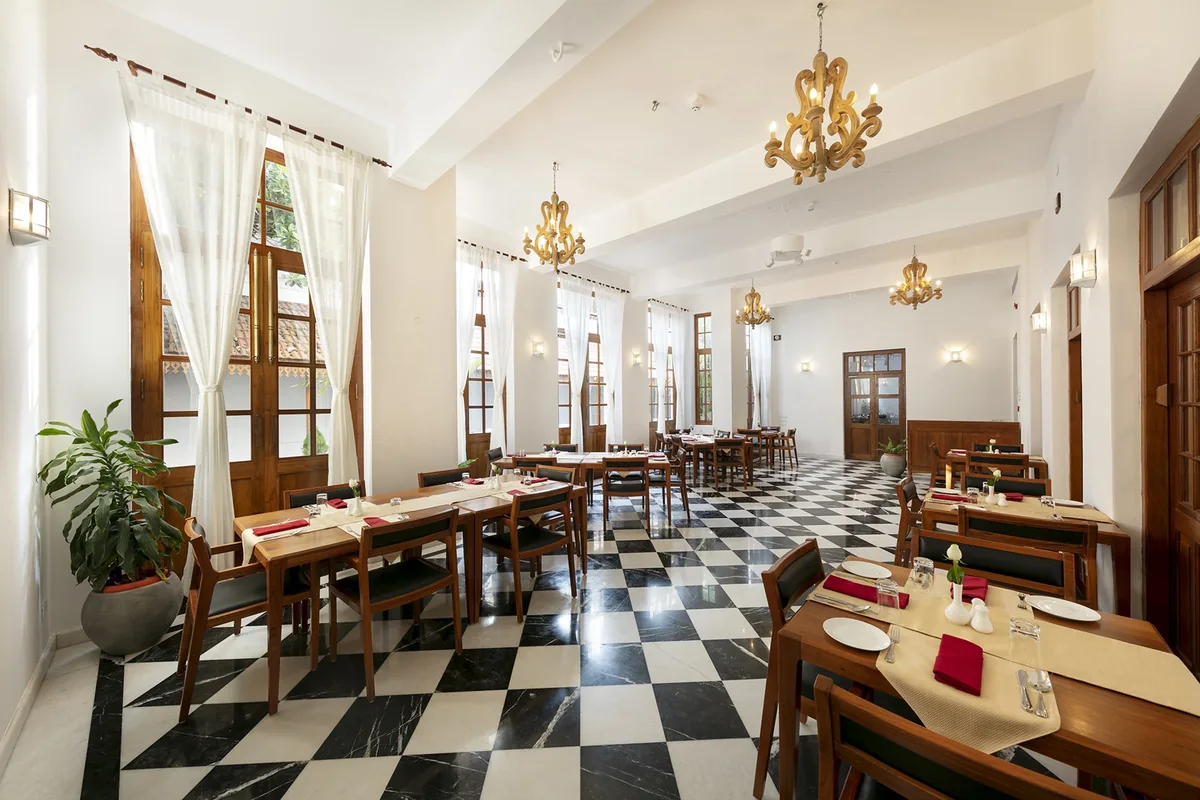
Before the visit, review what has been answered, what remains open and whether the proposed arrangement meets the needs you communicated. The hotel’s dining photographs and descriptions can help you understand the setting, but they cannot settle an ingredient or preparation question. A travel article is most useful when it helps you identify the right conversation, not when it substitutes for a current response from the people preparing the meal.
Use the hotel contact page to reach the team, and read the published MIRA information for the actual dining settings. If the meal is one part of a wider stay, pass the relevant room and timing questions to reservations as well. Keep each confirmation tied to its own purpose so a confirmed room, table or event does not get mistaken for a confirmed dietary arrangement.
USEFUL ANSWERS
Before you make plans.
Does this guide confirm that MIRA can meet my dietary requirement?
No. Discuss the specific requirement with the restaurant and assess the current response before confirming. The guide is a communication aid and does not guarantee a dish, preparation method or kitchen arrangement.
Should a requirement be included in the first message?
Yes, when it is important to whether the meal can work. Include the date and party size so the team can connect the question with the proposed visit and seek clarification if needed.
Can I assume a substitute dish has the same arrangement?
No. Ask about the actual substitute and the questions relevant to it. An answer about a different item or earlier menu should not be treated as confirmation for a new choice.
How can one person organise several guests’ requests?
Collect accurate requirements, keep them distinct and let affected guests review the wording and responses. Ask the restaurant how it prefers the information organised, while avoiding unnecessary personal details.
SOURCES & EDITORIAL NOTES
Plan with the right information.
Editorial update: 4 November 2026. Hotel details draw on the published pages below. Follow the linked official visitor sources for current access instructions, and confirm date-specific hotel arrangements directly. Suggested itineraries are planning ideas.
YOUR WHITE TOWN STAY
Make the next step personal.
Share your dates, party size and practical requirements with the hotel team. Ask for the arrangements and total quote that apply to your visit.
Compare rooms ↗Discover MIRA ↗Contact the hotel ↗