
AT A GLANCE
Start with what matters to your visit.
- Start with a White Town address
- Choose a room, leave room in your plans
- Let a meal become part of the day
There is a particular pleasure in arriving somewhere with a story. At Grand Hotel D’Europe, the White Town setting, the rooms and the table at MIRA offer a starting point for a stay that feels your own.
Start with a White Town address
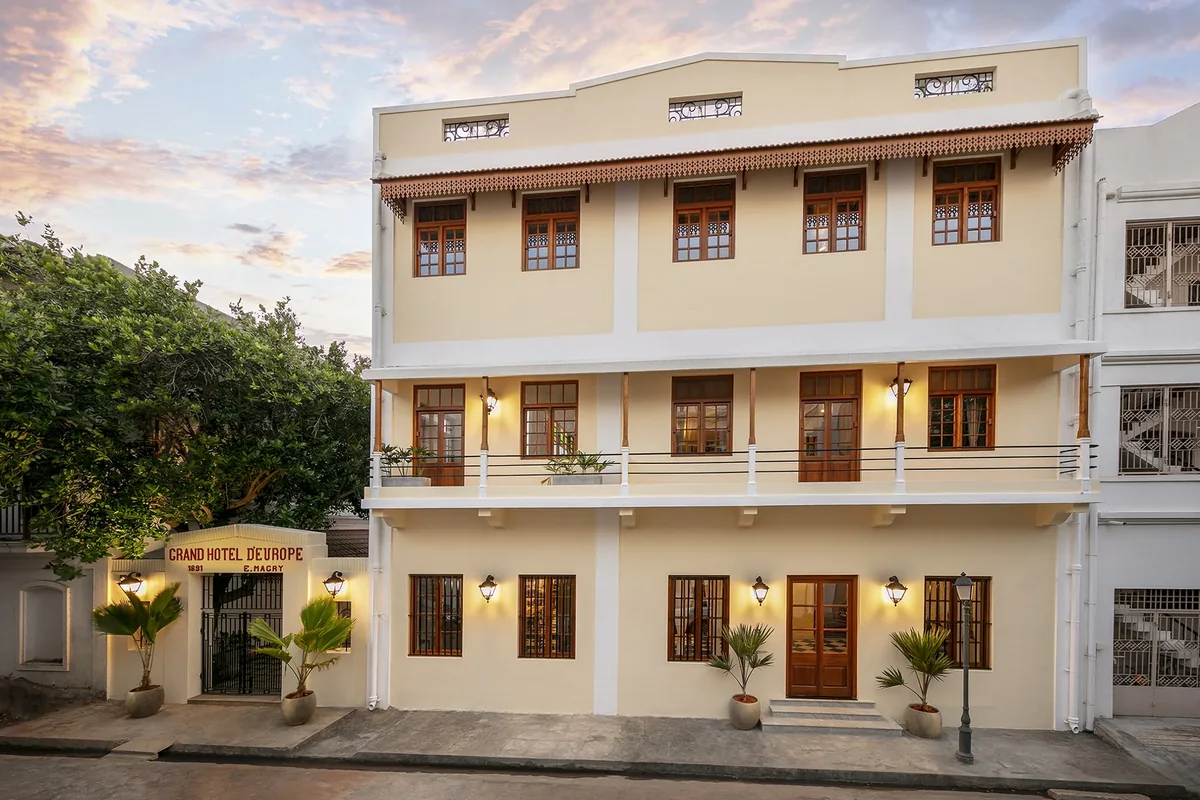
A memorable stay does not need a crowded itinerary. Sometimes it begins with choosing a place that gives your day a sense of place. Grand Hotel D’Europe stands at 28, Rue Suffren in White Town, Puducherry — a heritage address whose story began in 1891.
Let the hotel be your starting point, then leave room to explore at your own pace. Browse our Pondicherry guide for local ideas and confirm practical arrangements with the hotel team.
Choose a room, leave room in your plans
The hotel’s 18 rooms are arranged across the Heritage and Grand collections, with King and Twin options. The right choice depends on how you like to travel and who is travelling with you.
Explore the room photographs and categories, then ask the hotel to confirm availability, arrangements and the details that matter to your stay.
Let a meal become part of the day
A slower stay makes space for the pleasures between outings. MIRA brings together the hotel’s Restaurant, Courtyard, Bar and Rooftop settings.
Visit the MIRA dining page to get a feel for the spaces. For opening hours, menus or a particular occasion, contact the hotel before making plans.
Follow the story back to 1891
The setting is only one part of the experience. The hotel’s published history introduces the people and archival material connected with this Rue Suffren address.
Spend a little time with the hotel’s history, or read the separate account of the Mother’s 1914 stay. These pages offer context for the building you see today.
Read the neighbourhood at walking pace
A slow stay begins with a small radius. Instead of deciding how many sights you can fit into the first afternoon, choose a few streets around the hotel and notice what draws your attention. A shaded doorway, a street name or a change in the building line can be a reason to pause. You do not need to turn a walk into a research project, but leaving time to look makes the setting more memorable.
Keep your route reversible. If the weather becomes uncomfortable, or someone would rather sit down, return without feeling that a plan has failed. Ask reception for the direction you need, then use a current map for the journey. This is an invitation to notice the present-day neighbourhood, rather than a claim that every façade or street detail survives unchanged from an earlier period.
Choose a room around your daily habits
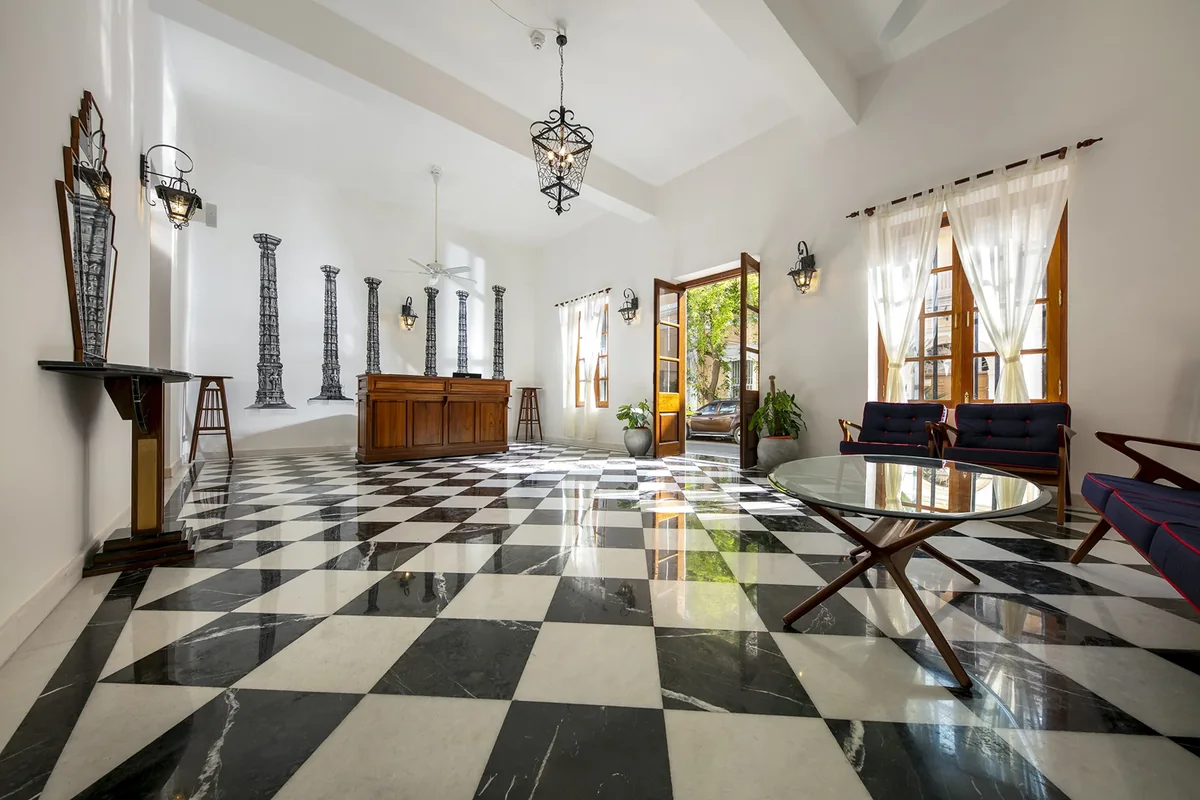
Think about how you will actually use the room between outings. Some visitors want a comfortable base for sleeping and changing before dinner. Others expect to read, work briefly or spend a longer afternoon indoors. Compare the published space and photographs in the room guide, and explain your priorities to reservations instead of choosing from the category name alone.
Bed configuration is a separate decision from room size. A King room and a Twin room are each a single guest room, with different beds. If travelling with someone whose sleeping preference differs from yours, discuss it before booking. Confirm any extra-person arrangement, the total price and the room actually available. A category photograph introduces the collection; it does not allocate a particular view or position.
Build a day around a few good pauses
A useful unhurried day has anchors rather than a timetable for every hour. You might choose an early walk, one place to visit and a meal, with an afternoon left open. That gives enough structure to begin without making a quiet hour feel like lost time. Discuss the plan with everyone travelling so that one person’s idea of relaxation does not become another person’s waiting time.
Make rest a deliberate part of the plan. A return to the hotel can give you time to read, change or simply decide what you want next. Keep any longer excursion on a separate day if possible. Leaving a margin also helps when traffic, queues or weather take longer than expected, because a small delay does not undo the rest of your stay.
Let dining become part of the destination
Choosing a table can be as much a part of the trip as choosing an attraction. Read about the MIRA settings and ask which is operating for the meal you have in mind. Consider the length of meal you want, whether conversation matters more than a particular setting, and any food requirements. An advance conversation is particularly useful for a special occasion or a group.
Keep one meal flexible so that an outing does not become a race back to a booking. For a reserved meal, agree the time and ask what notice is needed if plans change. Do not infer a current menu, private table or included service from an illustration. The hotel’s original photographs help introduce the spaces; the team confirms the arrangements for your actual date.
Use weather as a cue to change the rhythm
A slow approach works especially well when you have both an outdoor and an indoor idea. If a walk no longer feels appealing, switch to reading, an appropriate museum visit or an indoor meal after checking opening information. The point is to choose an enjoyable alternative early, rather than spend the day waiting for the original plan to become possible.
For coastal or boat outings, check official warnings and the operator’s current instructions. A comfortable day in town is a sensible choice if conditions are unsuitable elsewhere. The rainy-day guide offers a different way to organise the day, while the beach guide explains the questions to ask before a separate excursion.
Keep a little space for the hotel’s story
The history of an address is easier to appreciate when you have time to read it. Begin with the hotel’s own account and distinguish the date of establishment from the different stages of a building’s life. Look for the evidence and source notes supplied with a historical account rather than assuming that decorative details prove an exact date or use.
If you are interested in the Mother’s visit, read the dedicated account as a separate historical subject. It should not be treated as a promise of access to a religious institution or as evidence of an affiliation. Bringing that distinction to a heritage stay makes room for both curiosity and care: you can enjoy the atmosphere while keeping the historical claims grounded in the available record.
Make arrival and departure feel less rushed
The first and last hours can shape the whole break. Share your arrival details with the hotel and confirm check-in arrangements before choosing a demanding outing on the same day. If you arrive tired or late, a straightforward meal and a quiet evening may be more valuable than trying to recover a sightseeing schedule. Ask about practical options rather than assuming an early service will be available.
For departure, work backwards from the transfer you need. Leave time to pack, settle the bill and collect belongings. Confirm luggage arrangements or a late checkout request directly if either is important. An unhurried final morning usually depends on resolving those details in advance, not on hoping that every part of the journey takes the shortest possible time.
Take home a personal view of Pondicherry
A useful memory need not be a completed checklist. Keep a few notes about what you noticed, a meal you enjoyed or a question you want to explore next time. Photograph public spaces respectfully, avoid blocking a doorway for a picture and ask before photographing people closely. A present-day neighbourhood is also a place where people live and work.
Before another visit, use those notes to choose a different emphasis. You may want more time for history, a more carefully planned excursion or simply the same comfortable rhythm. Tell the hotel what worked for you and what you would like to arrange differently. That makes a return stay personal without depending on a generic promise that every guest should have the same experience.
Plan one day without a distant transfer
A day based entirely around White Town gives you a useful contrast to a longer excursion. Begin with a walk you can shorten easily, return for a pause and decide later whether to go out again. Keep the day’s purpose small enough that it remains enjoyable if you spend more time at a table or with a book than expected. You can still experience a place attentively without travelling a long distance from your base.
This approach can also help on arrival day, when the journey itself may already have used much of your energy. It gives you time to learn the route back to the hotel, locate the practical places you need and understand how your party feels in the weather. Save a distant trip for a day when you can leave with the necessary bookings, transport and time rather than adding it spontaneously to an already full schedule.
Keep useful questions with your reservation
Make a short note of the requirements that could affect your comfort: the bed configuration, an additional person, food needs, arrival time or the route into a particular space. Send these together so the team can answer clearly. Separate an important requirement from a preference you would enjoy if available. That distinction helps you decide whether a proposed arrangement actually suits the stay.
Keep the answer alongside the booking confirmation. If plans change, refer to the agreed detail instead of restarting the conversation from memory. When something remains subject to availability, decide whether you are comfortable with that uncertainty before paying. This practical clarity supports a slow stay: once the essential questions are settled, you have less reason to spend the trip checking arrangements and more freedom to enjoy the time you have chosen to leave open.
USEFUL ANSWERS
Before you make plans.
Where is Grand Hotel D’Europe located?
The hotel is at 28, Rue Suffren, White Town, Puducherry 605001, India.
How do I check room availability?
Use the reservations page or contact the hotel. Rates and availability are confirmed by the hotel or its booking provider.
Can I contact the hotel about dining?
Yes. Contact the hotel to confirm MIRA’s opening hours, menus and arrangements for your visit.
SOURCES & EDITORIAL NOTES
Plan with the right information.
Editorial update: 4 November 2026. Hotel details draw on the published pages below. Follow the linked official visitor sources for current access instructions, and confirm date-specific hotel arrangements directly. Suggested itineraries are planning ideas.
YOUR WHITE TOWN STAY
Make the next step personal.
Share your dates, party size and practical requirements with the hotel team. Ask for the arrangements and total quote that apply to your visit.
Compare rooms ↗Discover MIRA ↗Contact the hotel ↗