AT A GLANCE
Start with what matters to your visit.
- Define the occasion in one clear sentence
- Build a guest list with practical detail
- Match the space to the gathering
A small celebration gives you room to think about the people at the table: how they will arrive, what they will enjoy eating and where the conversation can happen comfortably. The most useful starting point is a clear idea of the occasion, rather than a finished picture of the décor. Once the guest list and timing take shape, the hotel can assess what is possible for your date.
Grand Hotel D’Europe’s celebration information introduces indoor dining spaces, the courtyard and rooftop as options to discuss with the events team. This guide explains how to turn that introduction into a practical enquiry. It does not supply unverified venue capacities, package prices or promises of exclusive use. Those belong in the proposal you receive for your own gathering.
Define the occasion in one clear sentence
Write a short description of what you are celebrating and how you want guests to feel. “A relaxed anniversary lunch for close family” gives a more useful starting point than “a special event”. Add whether the gathering is mainly a meal, a reception, a reunion or a combination. If there will be speeches, a presentation or another activity, mention it before discussing the layout.
Choose two or three priorities that will guide later decisions. They might be easy conversation, a particular meal time and a comfortable route for older relatives. Keep optional ideas separate. When a choice becomes difficult, return to these priorities instead of adding another element that makes the event harder to organise.
Build a guest list with practical detail
Start with a realistic attendance range and identify when you can confirm the final number. Count children and accompanying adults rather than using only the number of households. Explain whether any guests will arrive partway through the gathering. A seated meal and a short standing reception may require different arrangements even when the guest count is the same.
Share mobility, seating and meal requirements privately with the hotel. Ask guests what would help them participate; do not infer needs from their age. You can discuss a suitable entrance route, space around a chair or timing for breaks without circulating personal medical information among suppliers. The useful detail is the arrangement required.
Match the space to the gathering
The hotel’s published options are a starting point for discussion, not interchangeable rooms with a single universal capacity. Ask which space suits your proposed meal style and timing. A table arrangement must leave room for service, circulation and any agreed activities. Request the capacity for that actual arrangement rather than relying on a number intended for a different setup.
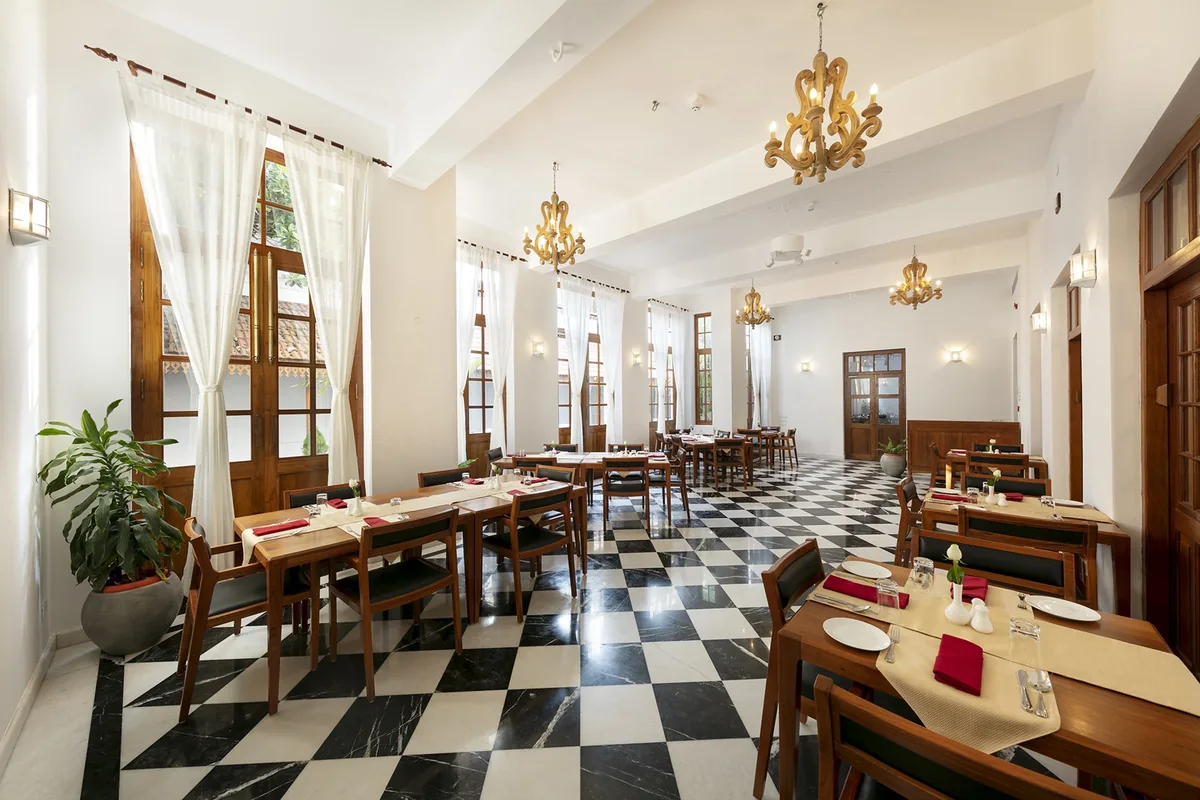
Use the original photographs on the celebration and MIRA dining pages to understand the real setting. Ask for current images or a walkthrough of the proposed space. An AI illustration can express a mood, but it cannot establish dimensions, access, furniture quantities or the setup included in a quotation.
Choose a manageable event rhythm
Draw a simple sequence with arrival, the main meal, any short speeches and departure. Leave room between these moments for greetings and normal delays. Guests should not need to study a programme to understand where to go next. For a small occasion, fewer transitions often make conversation easier and reduce the number of coordination tasks.
Tell the hotel if one moment needs particular attention, such as a cake presentation or a family photograph. Ask what timing is feasible within the agreed service. Avoid placing an activity in the middle of a course or arranging a surprise that depends on several suppliers arriving at precisely the same minute.
Discuss food through the needs of the group
Collect dietary requirements before choosing a menu. Distinguish an allergy or strict restriction from a preference, and ask the restaurant how it can address the relevant preparation questions. A dish name or photograph does not establish ingredients or cross-contact arrangements. Give the kitchen time to respond instead of leaving important requests until guests sit down.
Ask for the proposed menu, portion or service basis, beverage arrangements and any children’s pricing in writing. Discuss whether the menu is fixed, when choices become final and how later changes affect the quote. MIRA’s published dining descriptions introduce its approach; the current event menu must come from the restaurant.
Make the price easy to compare
Request an itemised proposal that separates the meal, beverages, space arrangements and additional services. Ask what is included, what is optional and what depends on the final guest count. Check taxes, any minimum commitment and charges for a longer event. A total that appears simple may still rely on assumptions that need to be written down.
Compare proposals against the same guest count, timing and menu. Keep a small contingency for choices you have not made, rather than treating the first estimate as a final commitment. If the scope needs to shrink, remove optional elements before changing the parts that make guests comfortable, such as adequate service time.
Agree who handles décor and outside suppliers
Ask whether the hotel provides a service, recommends an independent supplier or allows you to appoint one. These are different arrangements with different responsibilities. Confirm permission for any installation, sound equipment or supplier access before making a separate payment. Do not assume a décor image authorises attaching items to a heritage wall or moving furniture.
Give each approved supplier a concise brief and one coordination contact. Record setup time, removal time and who takes belongings away. For a small event, restrained details that suit the existing setting may be easier to manage than a complex installation. Any decorative treatment should follow the hotel’s confirmed conditions.
Use a walkthrough to test the plan
A walkthrough is most useful when you bring the proposed guest number and event sequence. Stand where guests would arrive and imagine the first few minutes: where a greeting takes place, where somebody waits and how the group moves towards the table. Ask the hotel to explain how service will reach the arrangement. These practical observations can reveal whether the idea needs adjusting before you spend time refining decorations.
Take agreed reference photographs or notes for your own planning, subject to the hotel’s permission. Label them with the space and date so suppliers do not mistake them for a final setup plan. If visiting in person is not possible, request current images and a discussion of the same questions. A remote conversation cannot replace every observation, but it can make uncertainty explicit.
Prepare a weather alternative before confirming
If considering courtyard or rooftop arrangements, ask what happens if the weather changes. Request the alternative space or revised plan, the point at which a decision is made and who communicates it. A sheltered-looking photograph does not confirm that a setup can operate in rain, wind or other unsuitable conditions.
Discuss whether the alternative changes the layout, menu, timing or price. Share the agreed pickup and guest communication plan with your organiser. A useful fallback is specific enough to act on; “we will see on the day” leaves important decisions to the moment when everyone is busiest.
Keep one calm route for communication
Choose an organiser who can collect guest questions and speak to the hotel. For a family event this does not need to be a professional role; it needs to be somebody who knows the agreed plan and can respond without passing each decision around a large group. Give that person the current proposal and the contact details they actually need.
Distinguish information from instructions. A relative suggesting a different flower colour should not unintentionally authorise a supplier change. Tell guests whom to contact about timing, dietary updates and travel. On the day, the organiser can handle small practical questions while the principal guests spend time with the people they invited.
Connect the celebration with staying guests
If guests need rooms, plan accommodation separately from the event space. The hotel’s room page lists Heritage and Grand collections with King and Twin configurations. Ask reservations about availability for the dates and the actual party composition. An event enquiry does not reserve rooms, and a room request does not secure a celebration venue.
Check arrival and departure needs, luggage arrangements and any early or late timing request directly. Give guests a clear booking contact and explain whether they pay individually or through the organiser. Keep sensitive identity and payment information in the hotel’s appropriate direct channel rather than a shared guest spreadsheet.
Turn the plan into a useful written confirmation
Before paying a deposit, bring the main decisions together in one document: date, timing, space, layout, guest count, menu, agreed services and the weather alternative. Read cancellation, postponement and final-number terms. Ask who can approve changes and how the final amount will be calculated. An email enquiry or illustrated concept is not a confirmed reservation.
Use the hotel contact page to send a focused brief. Once the proposal is agreed, circulate only the practical information guests need: where to arrive, when to come and whom to contact. Keeping supplier detail with the organiser helps the celebration feel welcoming rather than like an operations meeting.
- Occasion, preferred date and alternative date
- Expected guests, children and rooms required
- Meal style, dietary questions and preferred time
- Space, layout and confirmed capacity
- Itemised inclusions, payment and cancellation terms
- Weather alternative, setup and departure arrangements
USEFUL ANSWERS
Before you make plans.
What is the confirmed capacity of each hotel space?
This guide does not publish verified numerical capacities. Ask the events team for the usable capacity of your chosen space and layout, including service and circulation areas. A number quoted for another arrangement may not apply.
Does a small gathering automatically include private use?
No. Ask whether the proposed space is shared or reserved exclusively, the applicable timing and any conditions. Rely on the written proposal for your date rather than the size of your group.
Do the photographs show completed wedding setups?
The hotel’s celebration page identifies its photographs as original hotel spaces rather than completed wedding setups. Use them to understand the setting, then confirm the proposed event arrangement through current images or a walkthrough.
What should my first enquiry contain?
Include the occasion, dates, likely guest count, meal time, accommodation requirements, budget range and important access or dietary needs. That gives the team a basis for assessing suitable spaces and preparing a relevant proposal.
SOURCES & EDITORIAL NOTES
Plan with the right information.
Editorial update: 4 November 2026. Hotel details draw on the published pages below. Follow the linked official visitor sources for current access instructions, and confirm date-specific hotel arrangements directly. Suggested itineraries are planning ideas.
YOUR WHITE TOWN STAY
Make the next step personal.
Share your dates, party size and practical requirements with the hotel team. Ask for the arrangements and total quote that apply to your visit.
Compare rooms ↗Discover MIRA ↗Contact the hotel ↗