AT A GLANCE
Start with what matters to your visit.
- Separate the wedding vision from the essential requirements
- Confirm which functions the hotel can accommodate
- Choose a guest count that works in the actual layout
An intimate destination wedding can be simpler than a large event, but it still brings together several different plans: the celebration itself, accommodation, travel and the needs of the people attending. Treating these as connected decisions helps you keep the occasion personal without overlooking the practical work behind it.
Grand Hotel D’Europe’s published celebration page invites discussion of pre-wedding gatherings, receptions and anniversaries in a heritage setting. It does not confirm that every ceremony, guest count or supplier arrangement is possible. Use this guide to prepare a focused wedding enquiry, then rely on the hotel and relevant independent professionals for the arrangements that apply to your event.
Separate the wedding vision from the essential requirements
Start by describing the occasion in ordinary language: who will attend, how many days they will stay and which moments matter most. A relaxed meal after a ceremony is a different brief from a programme with several functions. Identify the parts you consider essential before choosing images of décor or promising guests a sequence of activities.
Keep a separate list of ideas that would be welcome if feasible. This makes the first conversation with the hotel more productive. It also allows you to adjust the programme without feeling that every early idea has become a commitment. A smaller wedding gains its character from thoughtful choices, not from reproducing a larger event at reduced scale.
Confirm which functions the hotel can accommodate
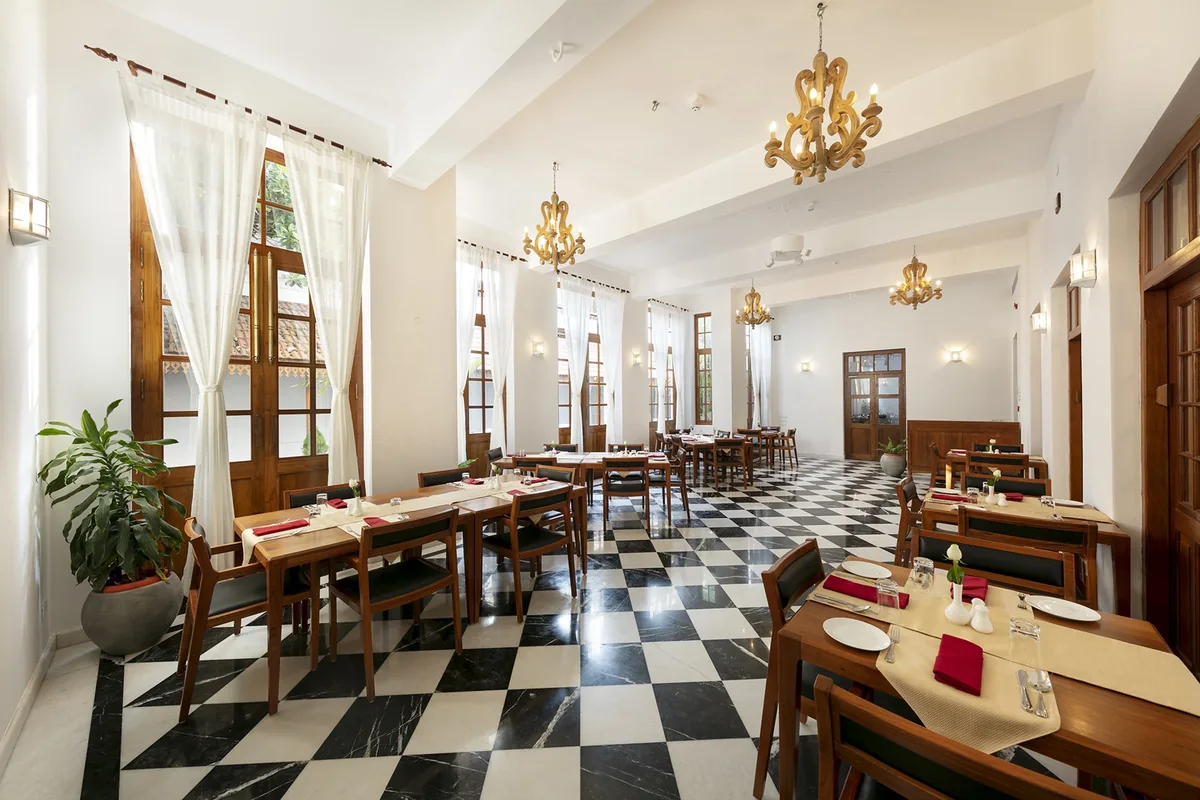
Give the team the proposed function type, timing and attendance for each part of the programme. Ask which spaces may be suitable and what layouts are feasible. The hotel’s indoor dining spaces, courtyard and rooftop are options to discuss, subject to current availability and a specific proposal.
If a ceremony is part of the plan, describe its practical requirements rather than assuming a reception venue can host it. Ask about setup, equipment, rituals and supplier access before appointing anyone. Any legal or ceremonial requirements should be checked with the appropriate professional; this hotel planning guide does not establish marriage formalities or permissions.
Choose a guest count that works in the actual layout
Prepare an attendance range for each function rather than one number for the whole wedding. Some guests may attend a meal without staying, while others may travel for the complete programme. Include children and suppliers where they affect catering or space. Tell the hotel when each number can become final.
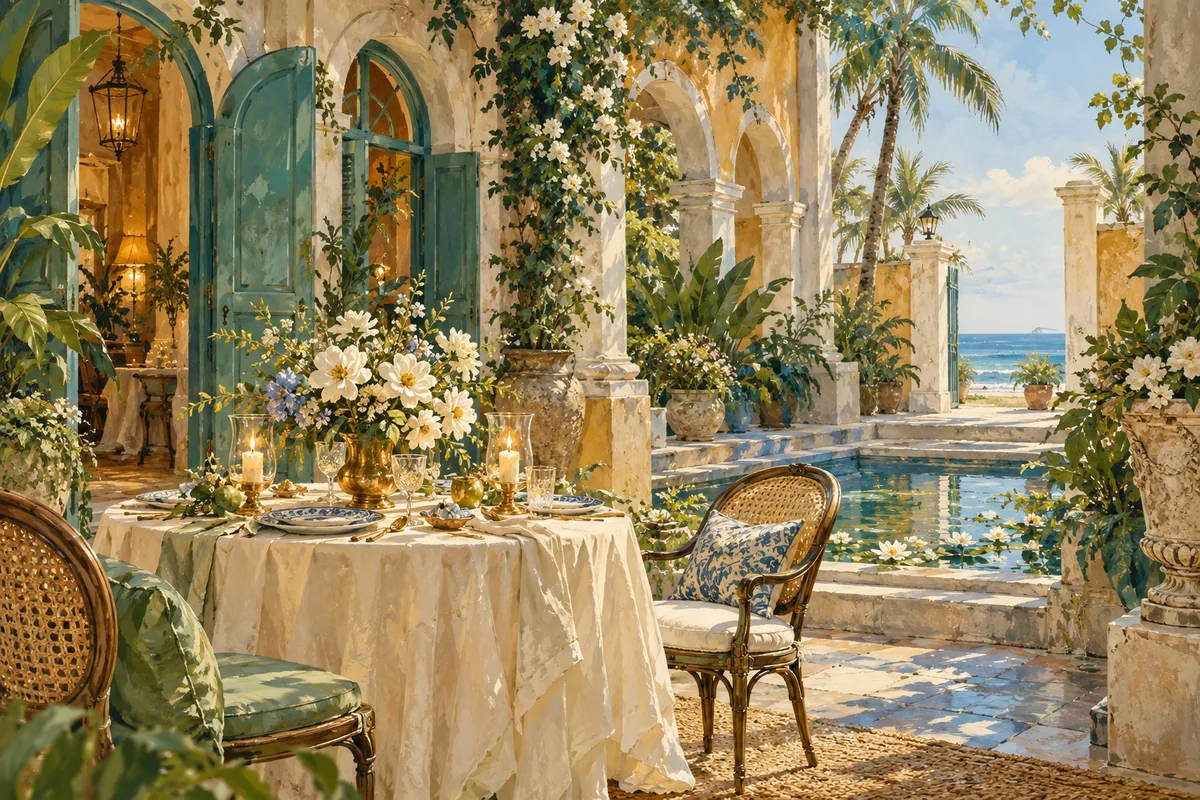
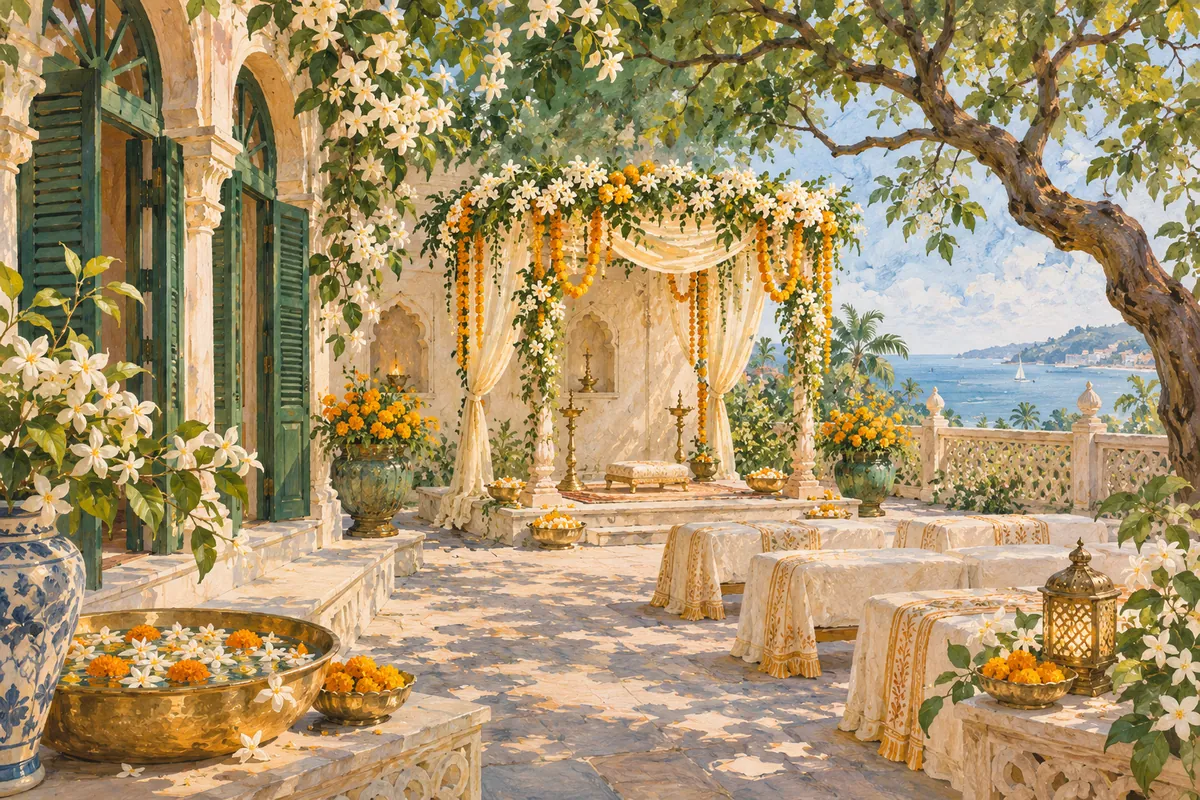
Ask for the confirmed usable capacity of the proposed layout, with room for service and circulation. A setup with ceremony seating, a meal or a performance may use space differently. No numerical venue capacity is asserted here, and a concept image cannot tell you how a real arrangement will function.
Treat room availability as its own booking decision
The hotel’s published room information describes 18 rooms across the Heritage and Grand collections, with King and Twin configurations. That inventory is useful context, but it is not a promise that all rooms will be free for your dates. Ask reservations to assess the actual guest list and stay pattern.
Decide whether guests book individually or whether an organiser coordinates room requests. Confirm category, occupancy, payment and cancellation terms for the agreed arrangement. Do not refer to a request as a room block until the hotel has confirmed it. A wedding proposal and a room booking may have different deadlines and conditions.
Give travel planning its own timeline
Ask guests for their broad travel plans early enough to identify common arrival patterns. Share confirmed function times before they commit to a journey that may arrive too late. If several people want transport assistance, clarify whether you are collecting requests or making bookings on their behalf. Each traveller should know the relevant provider, payment arrangement and contact if plans change.
Leave transfer prices and journey estimates to the current provider rather than building them into an invitation as fixed facts. Ask about luggage, pickup points and any waiting terms. Keep a modest margin between travel and a required function, particularly for guests who will want to change or rest. A considerate travel plan reduces the need for the couple to solve arrival problems while preparing for their own celebration.
Build a programme with realistic arrival and recovery time
Allow guests to arrive, settle and understand where they need to be before the first function. Travellers may have different journeys and energy levels. A welcome meal should not depend on every transfer reaching the hotel at exactly the same time. Ask the team what service timing is workable if arrivals vary.
Leave intervals between functions for changing, rest and supplier work. A compact guest list does not make setup instantaneous. If two activities use the same space, confirm the changeover plan and who clears the area. Reducing the number of transitions can make the day more enjoyable and easier to coordinate.
Give food and guest comfort equal attention
Begin menu discussions with the guest profile and any essential restrictions. Ask MIRA for a current proposal rather than choosing from an illustrative photograph. Confirm service style, beverages, children’s arrangements and the timing of meals in relation to the ceremony or other activities.
Consider the guests who may need a seat, a break or an easier route before the main programme begins. Ask about the actual facilities and access of each proposed space. The presence of a hotel amenity does not guarantee that it is available for event use or that every guest route meets a particular need.
Agree how suppliers will work with the hotel
Identify which services the hotel provides and which are independent appointments. Ask about permissions and conditions for décor, photography, sound and other equipment before finalising suppliers. Each supplier should understand the confirmed space and timetable rather than working from an attractive but unrelated reference image.
Use one organiser to coordinate setup, delivery and removal. Share an agreed contact list and specify who can authorise changes. Confirm what happens if a supplier is delayed or an item does not fit the approved plan. Clear responsibilities protect the guest experience by keeping operational decisions away from the couple during the celebration.
Choose a weather alternative that still feels like your wedding
For any open-air element, ask what alternative can be confirmed and how it changes the programme. Discuss layout, décor, service and access rather than accepting a general assurance that rain will be handled. A fallback should be suitable for the guest count and agreed function, not merely a place everyone could stand temporarily.
Agree the decision time and communication responsibility. If moving an activity changes the price or requires a supplier adjustment, record that in advance. Let guests know only what affects their arrival or clothing; they do not need to follow every planning conversation. Use current official weather information close to the event.
Compare the complete commitments before paying
Bring event, accommodation and supplier costs into one working budget, while keeping the individual agreements identifiable. Check inclusions, taxes, deposits, payment dates and the treatment of changes. An initial estimate should show the assumptions behind it, including attendance and timing.
Read cancellation and postponement conditions carefully and ask how a final guest count affects the amount due. Keep the agreed documents together and make sure the responsible people have the current version. Do not rely on an informal message that conflicts with the proposal you are being asked to confirm.
Choose personal details that do not depend on a large production
An intimate wedding offers room for small gestures: a note to each household, a thoughtfully chosen reading or a simple explanation of the meal. These details can help guests understand why they were invited without requiring a complex installation. Select them after the essential programme is feasible, so personal choices add to the day rather than compete with unresolved arrangements.
Check how any physical items will arrive, be placed and be collected. If guests bring gifts, identify who receives them and keeps track of personal belongings. Do not assume the hotel will store or supervise valuables outside a confirmed arrangement. Practical care for these small details allows the wedding to retain a personal atmosphere while the operational work remains manageable.
Give guests a small amount of reliable information
Once arrangements are confirmed, send a clear guest note with dates, function times, the hotel address and the appropriate booking or travel contact. Explain which meals and accommodation arrangements are covered. Avoid sharing an unfinished programme as though every element were final.
Leave optional sightseeing separate from required wedding events. Guests may prefer rest, a short White Town walk or time with family. For practical ideas, use the journal’s flexible White Town weekend guide, while checking access and timing for anything you choose. A destination wedding is easier to enjoy when nobody must complete a sightseeing schedule as well.
- List each proposed function and its likely attendance
- Confirm suitable spaces and usable layout capacity
- Arrange rooms separately with reservations
- Agree meals, access needs and supplier responsibilities
- Record a weather alternative and decision process
- Issue one confirmed guest programme with clear contacts
USEFUL ANSWERS
Before you make plans.
Can the hotel host any wedding ceremony?
Do not assume so. Describe the ceremony and its practical requirements to the hotel and obtain confirmation. Check legal or ceremonial formalities with the relevant professional; this guide does not establish permission or registration requirements.
Does an event enquiry reserve all 18 rooms?
No. The published inventory is context, not availability. Reservations must confirm the rooms, categories, occupancy and booking terms for your dates separately from the event proposal.
Are outside decorators and musicians automatically allowed?
No permission is implied here. Ask the hotel about the relevant supplier, equipment, access and timing before appointing them or paying a separate deposit.
What should I prioritise for an intimate wedding?
Begin with the people, essential functions and guest comfort. Confirm feasible spaces and travel arrangements, then add the personal details that fit. A manageable programme leaves more time to enjoy the occasion.
SOURCES & EDITORIAL NOTES
Plan with the right information.
Editorial update: 4 November 2026. Hotel details draw on the published pages below. Follow the linked official visitor sources for current access instructions, and confirm date-specific hotel arrangements directly. Suggested itineraries are planning ideas.
YOUR WHITE TOWN STAY
Make the next step personal.
Share your dates, party size and practical requirements with the hotel team. Ask for the arrangements and total quote that apply to your visit.
Compare rooms ↗Discover MIRA ↗Contact the hotel ↗