AT A GLANCE
Start with what matters to your visit.
- Identify the time that is genuinely free
- Choose a morning rhythm that suits the working day
- Use short White Town outings thoughtfully
A work trip can leave space for Pondicherry without turning every free hour into another commitment. The key is to protect the work that brought you here, then choose leisure plans that fit the real gaps around it. A short walk and an enjoyable meal may offer more than an excursion that must be abandoned halfway through.
For a stay at Grand Hotel D’Europe on Rue Suffren, this means looking at the working schedule, transport and the people travelling with you together. The suggestions below are flexible planning ideas rather than a timed tour, a package or a promise of access to a particular attraction or hotel facility.
Identify the time that is genuinely free
Put confirmed appointments and necessary preparation in the calendar first. Add transfers, meals and enough room for a meeting to run later than expected. Only then look for leisure time. A blank hour between two appointments is not always a practical window for an outing, especially if you must travel or return to change before the next commitment.
Mark optional plans as optional. An evening walk might fit if work finishes on time, while an excursion outside town may belong on a separate day. This makes it easier to change course without feeling that the whole trip has failed. If colleagues or a companion are involved, explain which periods are dependable and which depend on work. Shared expectations are more helpful than an impressive itinerary that cannot accommodate an ordinary schedule change.
Choose a morning rhythm that suits the working day
A quiet start can be useful before a demanding meeting, but it should not depend on an unconfirmed service or an overly tight timetable. Ask the hotel about the breakfast arrangement relevant to your departure. If you want a short walk, choose one that leaves a comfortable return and preparation margin rather than treating it as the first stage of a full sightseeing day.
Keep the essentials ready the night before: meeting details, devices, clothing and the transfer contact. This gives a morning activity a clear boundary. Weather and local conditions should guide whether you go out at all. Remaining at the hotel with time to prepare can be the more enjoyable choice when an early appointment matters. The point is to arrive at work composed, not to complete a compulsory list of experiences before the business day begins.
Use short White Town outings thoughtfully
An unhurried walk can focus on details close to your base: the colours of façades, shutters, trees, street names and the contrast between different streets. You do not need to turn it into a long route or a photographic checklist. Choose comfortable stopping points, respect residents and private entrances, and leave time for the journey back.
The hotel’s history page can add context to its Rue Suffren address before you set out. For a separate waterfront or heritage stop, check the route and access appropriate to that day. This guide supplies no exact walking time and no step-free route guarantee. If mobility, heat or rain would make the walk uncomfortable, ask about transport or choose an indoor pause instead. A modest plan can still feel like time spent in the town.
Make meals a proper break from work
Choose at least one meal that is not squeezed between two obligations. If you want to dine at MIRA, use the published dining information to understand the settings, then confirm what is operating at the time you intend to visit. Tell the team about dietary needs and whether colleagues or a companion will join you.
Keep a working lunch and a leisure dinner distinct in your expectations. A conversation with a client may need timing, privacy or billing arrangements that an ordinary table request does not establish. Ask about those points rather than assuming a courtyard or rooftop setting can be reserved for any purpose. For an informal meal after work, leave the location and duration flexible enough to enjoy it. A relaxed table may be a better end to a busy day than another journey across town.
Plan fairly when a companion travels with you
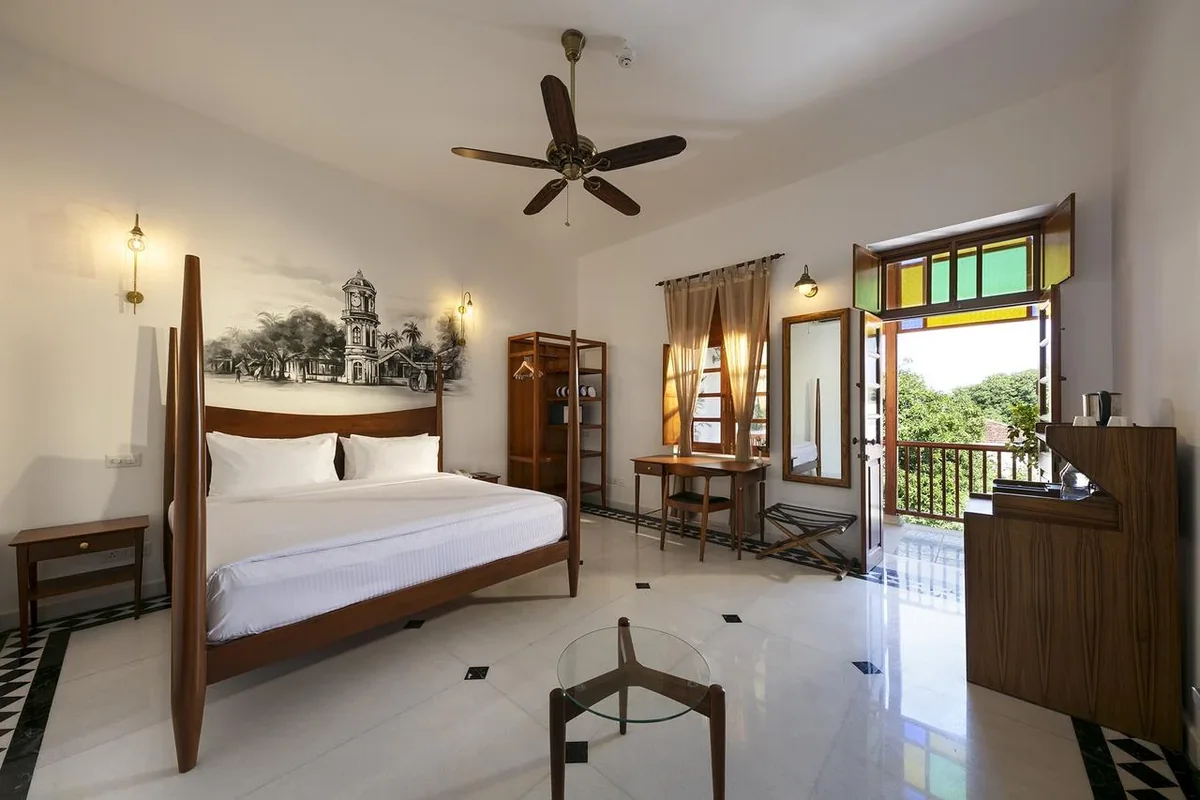
A companion may want a different pace or have no reason to remain close to your work venue. Agree how the room will be used during calls, when you expect to meet and what happens if your schedule changes. If the room is shared, remember that King and Twin describe bed configurations within one guest room rather than separate living and working areas.
Do not assume that someone else can use a hotel facility, remain in a shared space or join a meal under the same terms without checking the arrangement. Tell reservations the actual occupants and relevant needs when booking. If children travel too, use the family planning guide to prepare age and bed questions. A little advance discussion helps both travellers enjoy the stay without making one person’s free time depend entirely on the other’s calendar.
Give longer excursions their own space
For a beach outing, Auroville visit or another journey outside your immediate area, choose a period with a clear beginning and end. Check the official access or booking requirements that apply and arrange the return before setting out. Do not build a substantial excursion around a narrow interval between work commitments or assume a provider can shorten every part of it on demand.
Our Auroville guide distinguishes a general visit from the separately booked Inner Chamber experience, while the beach guide focuses on access, transport and current conditions. Read the relevant guide and check its official source close to your date. If the trip cannot fit comfortably, save it for a leisure extension rather than turning it into a rushed obligation. Optional time should restore energy instead of creating a second deadline.
Keep a weather alternative that you would actually enjoy
Choose an indoor option before you need it: a meal, a book, a museum visit whose opening day you have checked, or simply some time to rest. An alternative works best when it appeals in its own right. Treat it as another good version of the day, rather than a disappointing substitute for an outdoor plan that no longer suits conditions.
Use current warnings and local instructions for travel decisions. If rain affects an excursion, do not try to preserve the itinerary by bypassing a restriction or compressing a transfer beyond what the provider considers practical. Read the rainy-day guide and review the return journey before leaving. Work commitments may also change without warning, so keep the same flexibility for an unexpectedly late meeting. A short, achievable evening can still be worthwhile.
Shape one working day without making it a timed tour
Consider a day with a late-morning appointment and an uncertain finish. Keep the morning for breakfast and preparation, with a short walk only if there is comfortable time. Arrange the outward transfer using the actual venue information and establish how the return will be handled if the meeting continues longer than expected. Leave the afternoon leisure idea unbooked unless it can genuinely accommodate that uncertainty.
If you return early, choose one manageable activity rather than trying to recover every possible attraction. A pause at the hotel followed by dinner can give the day a satisfying end. If you return late, the same plan can be shortened after checking food arrangements. This example is deliberately flexible: it does not promise a particular meal time, journey duration or attraction opening. Its useful feature is that work, rest and leisure each have a place, while the optional part can change without disrupting the essentials.
Keep the final evening from borrowing time from departure
An enjoyable last evening should still leave you ready to travel. Pack the main items, check the confirmed pickup and settle any questions about the stay account before heading out where possible. If the next morning starts early, choose an outing or meal whose return you can manage comfortably rather than relying on a speculative late finish.
Use the end of the stay to decide what you would like to return for, instead of treating unfinished sightseeing as a failure. A future leisure visit may offer a better setting for a longer excursion than the margins of this work trip. Keep notes about the places that interested you and the practical questions still to ask, then close the current journey with its own clear departure plan.
Book a leisure extension as a separate decision
If you want another night after work finishes, check availability and the applicable rate rather than assuming the original booking can simply be stretched. Tell reservations whether the same people will stay, whether the room category needs to change and what departure arrangement you want. Confirm any additional night, late checkout or luggage request before making dependent transport plans.
Use the extra time deliberately: choose one main experience, leave room for meals and allow a calm departure. If an organisation is paying for the working part of the trip, settle the payment and billing arrangement for any personal extension through the appropriate direct channels. This guide does not define your employer’s policy. A clear boundary between work and leisure makes the practical side easier and helps the final day feel like a break rather than unfinished administration.
USEFUL ANSWERS
Before you make plans.
Is a leisure extension automatically available after my work booking?
No. Ask about the additional dates, room category, rate and conditions, then obtain confirmation before changing transport or activity plans.
Can I fit Auroville into a gap between meetings?
Only after checking the actual available time, transport and visitor requirements. A longer outing is usually easier to manage in a clearly free period with a comfortable return margin.
Does a larger room create a separate office for me?
No. The published categories are single guest rooms. Ask for the real arrangement and agree room use with anyone travelling with you.
Are the suggested outings included in the hotel booking?
No package or inclusion is claimed. Confirm any transport, dining, attraction booking or additional hotel service directly with the responsible provider.
SOURCES & EDITORIAL NOTES
Plan with the right information.
Editorial update: 4 November 2026. Hotel details draw on the published pages below. Follow the linked official visitor sources for current access instructions, and confirm date-specific hotel arrangements directly. Suggested itineraries are planning ideas.
YOUR WHITE TOWN STAY
Make the next step personal.
Share your dates, party size and practical requirements with the hotel team. Ask for the arrangements and total quote that apply to your visit.
Compare rooms ↗Discover MIRA ↗Contact the hotel ↗